

News Research & culture
What sauna and contrast-therapy studies found, how big the effect was, and how bathing culture is changing.
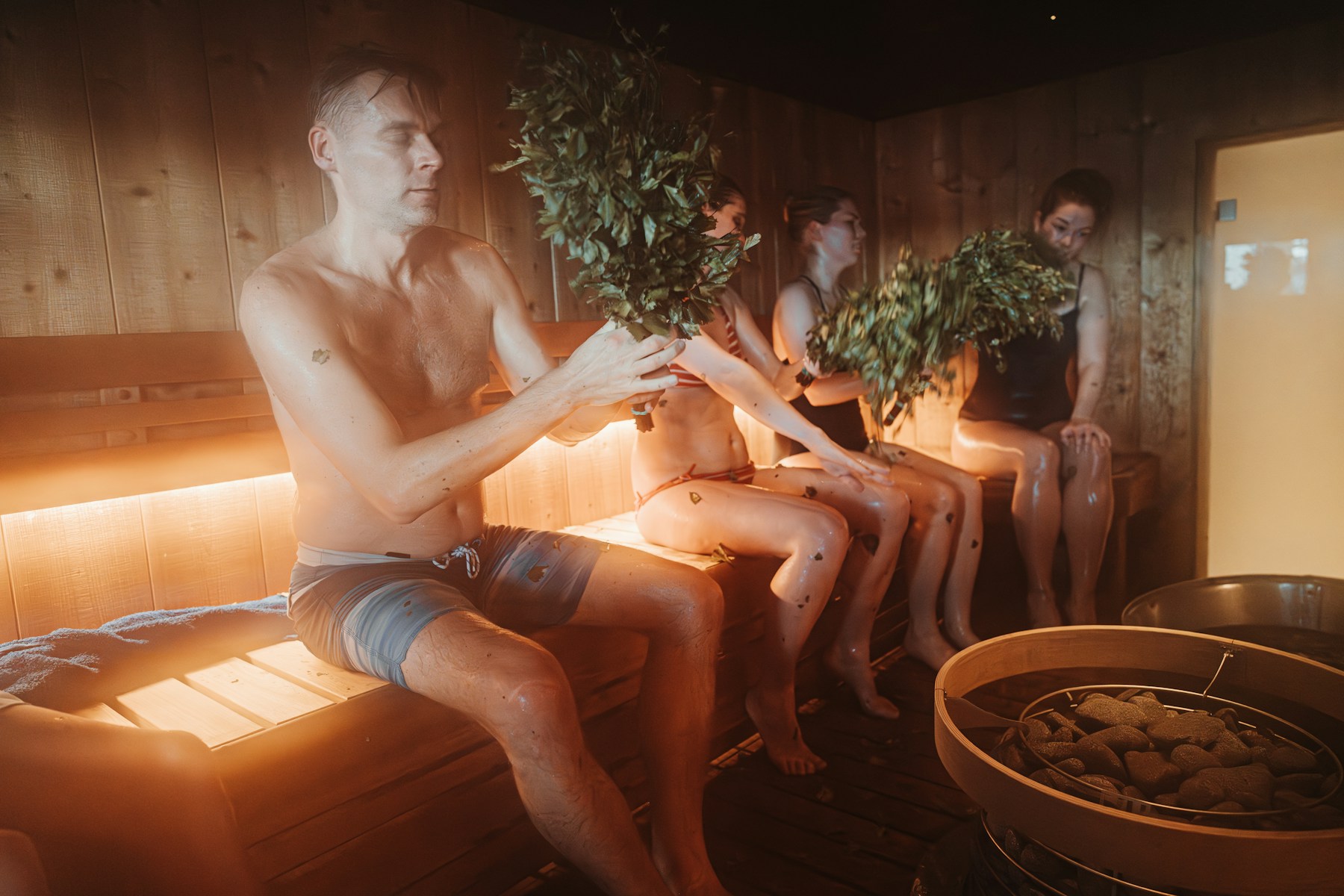
An international research group wants sauna studies to spell out the heat, humidity and session routines behind their findings. A consensus paper is expected in 2027.

Got Sauna and Cedar & Sol host private and community sessions at East Hill Farm on October 23–24, during FinnFunn’s Finnish cultural weekend.

Two papers from one Swedish questionnaire split sauna’s perceived benefits by sex at 588 people: women rank mental recovery first, men rank company first, and only the women report better sleep and less bodily pain afterward. For operators the findings land on the schedule: quiet blocks, a phone rule at the door, löyly etiquette on the wall, and a women-only hour worth testing for a quarter.
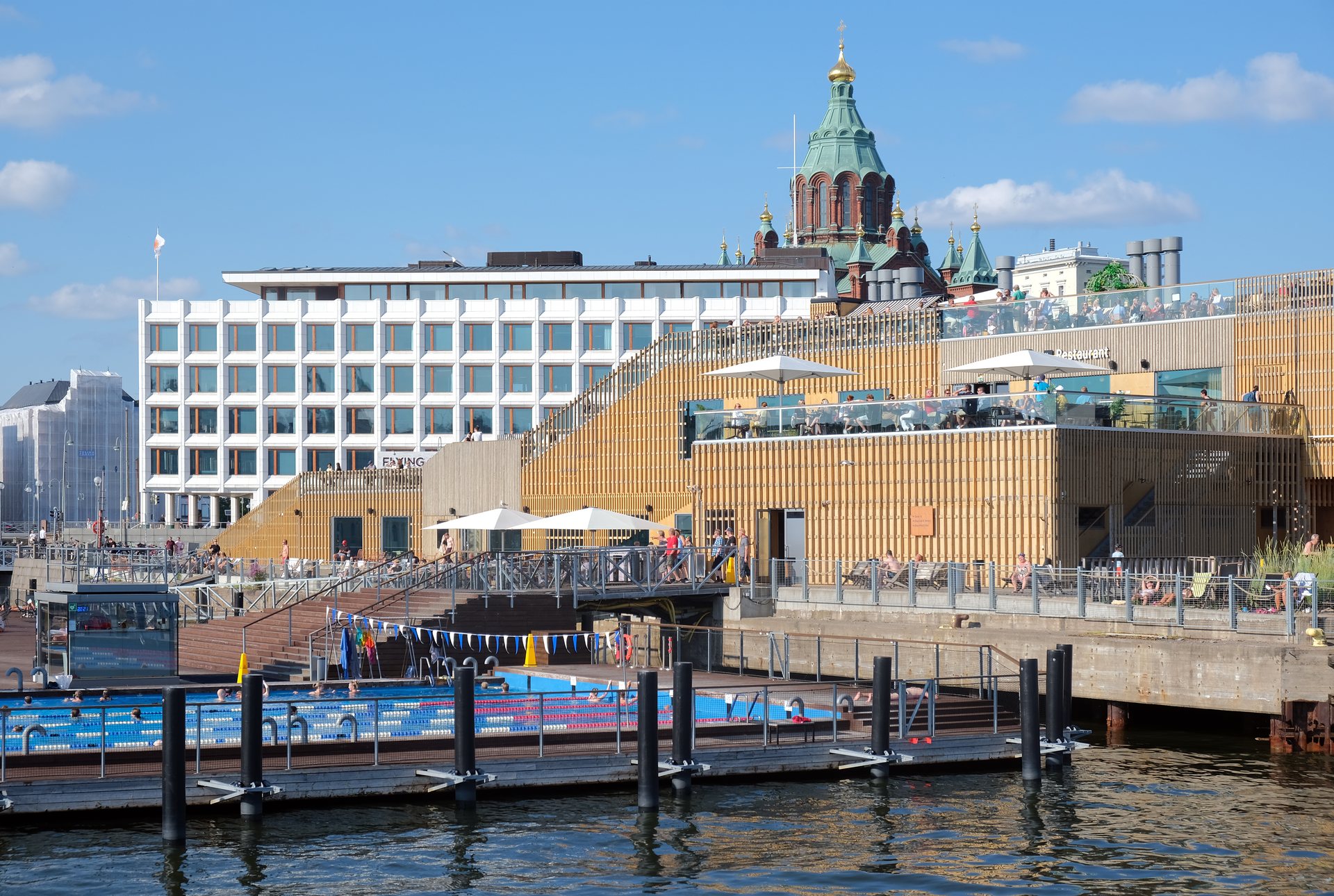
Some sauna venues advertised themselves as heatwave relief this summer. The researchers whose work that pitch rests on say heat adaptation takes 40 to 60 minutes a day for four to six days, fades in about a week, and is not the same thing as protection during a heat advisory.

Aalto University asked CFD engineer Corentin Macqueron for his validated model of VTT’s 1992 experimental sauna and has now run first zero-gravity calculations on it, with Macqueron running his own in parallel. Without gravity there is no buoyancy, no convection, and possibly no löyly at all. The idea started with a sauna in a 1987 NASA Antarctic study.

Every earlier Research & culture story, newest first.
The SaunaNews Weekly
One short email a week on what changed in sauna.
Free. Weekly. Easy to leave.