

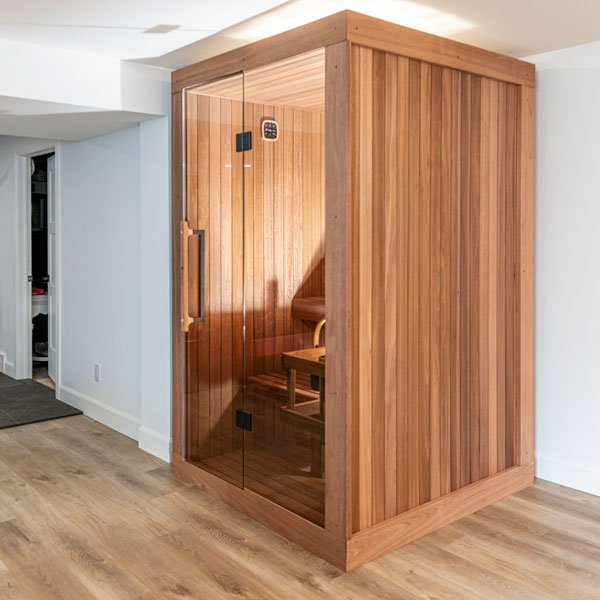
CBP's Section 338 list doesn't include 9406.10, the code for a prefabricated wooden building. It does include 4409.10.90, where CBP put the tongue-and-groove cedar in a Canadian sauna kit in 2012. The line isn't assembled versus flat-packed, and four CBP rulings say exactly where it falls.

Finland’s summer factory shutdown is written into statute, not tradition. What it costs American resellers is a warranty call they cannot close for three weeks.

Canadian softwood tariffs above 35%, Section 232 metal duties, and a tightening freight market are converging on sauna manufacturers and importers with no quick relief expected before 2027.

A Teikoku Databank survey finds more than 60 percent of Japan’s public bathhouses reporting worsening financial results as fuel oil prices surge and prefectural price caps leave operators with no room to pass costs through.
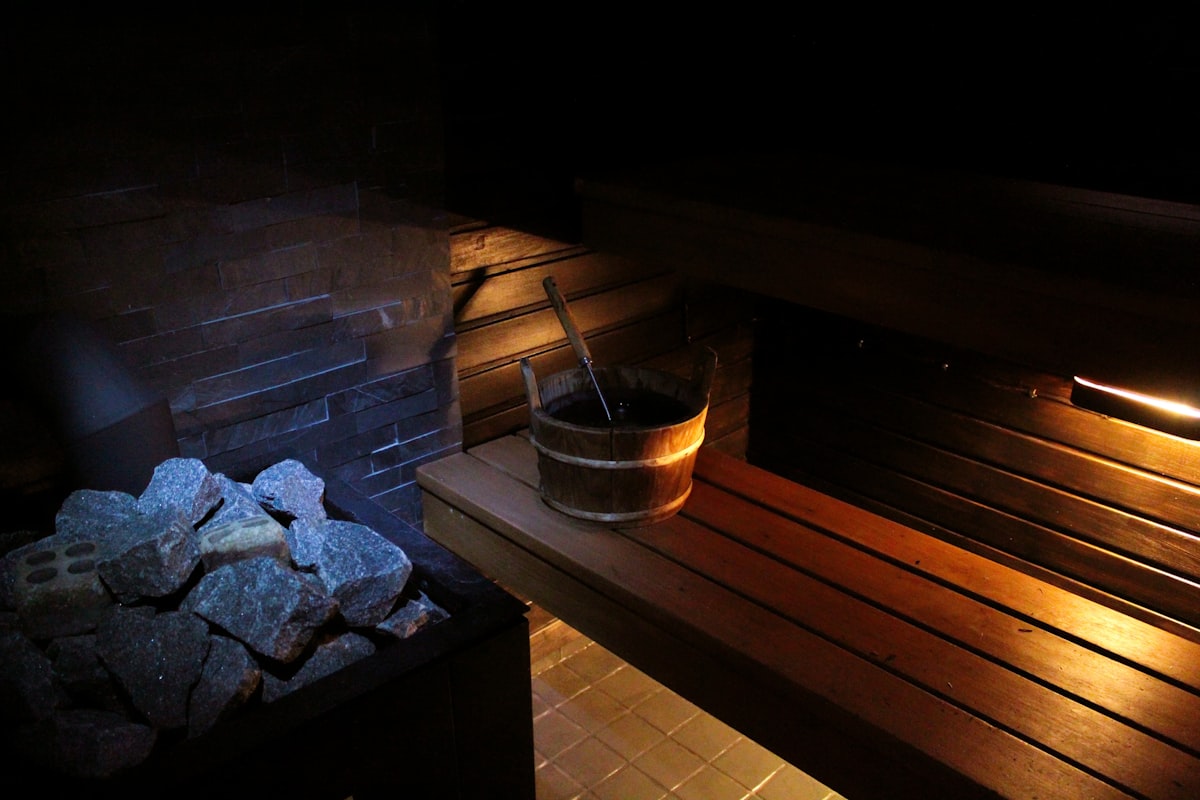
A temporary 10% import surcharge and Section 232 timber duties are raising costs for North American distributors who depend on Finnish and Baltic supply chains.
Every earlier Trade story, newest first.
The SaunaNews Weekly
One short email a week on what changed in sauna.
Free. Weekly. Easy to leave.