
Should You Sauna in Summer? Finland Answered With 20 Years of Data.

By Arlene Scott
Senior Wellness Correspondent & Hospitality Consultant
- Published
- Reading time
- 8 min
SaunaNews is published by SaunaShare, Inc., which also runs SaunaShare.com and SaunaMarketplace.com, where we sell many of the products we write about. Assume that experience shapes what we cover and what we don't. Who owns SaunaNews · The ownership announcement
One of the most-cited sauna studies in the world followed 2,315 Finnish men for two decades in a country where the sauna does not close for summer. The seasonal-sauna debate that fills wellness blogs every June was never a debate in the country that generated the numbers.

In this story5 sections
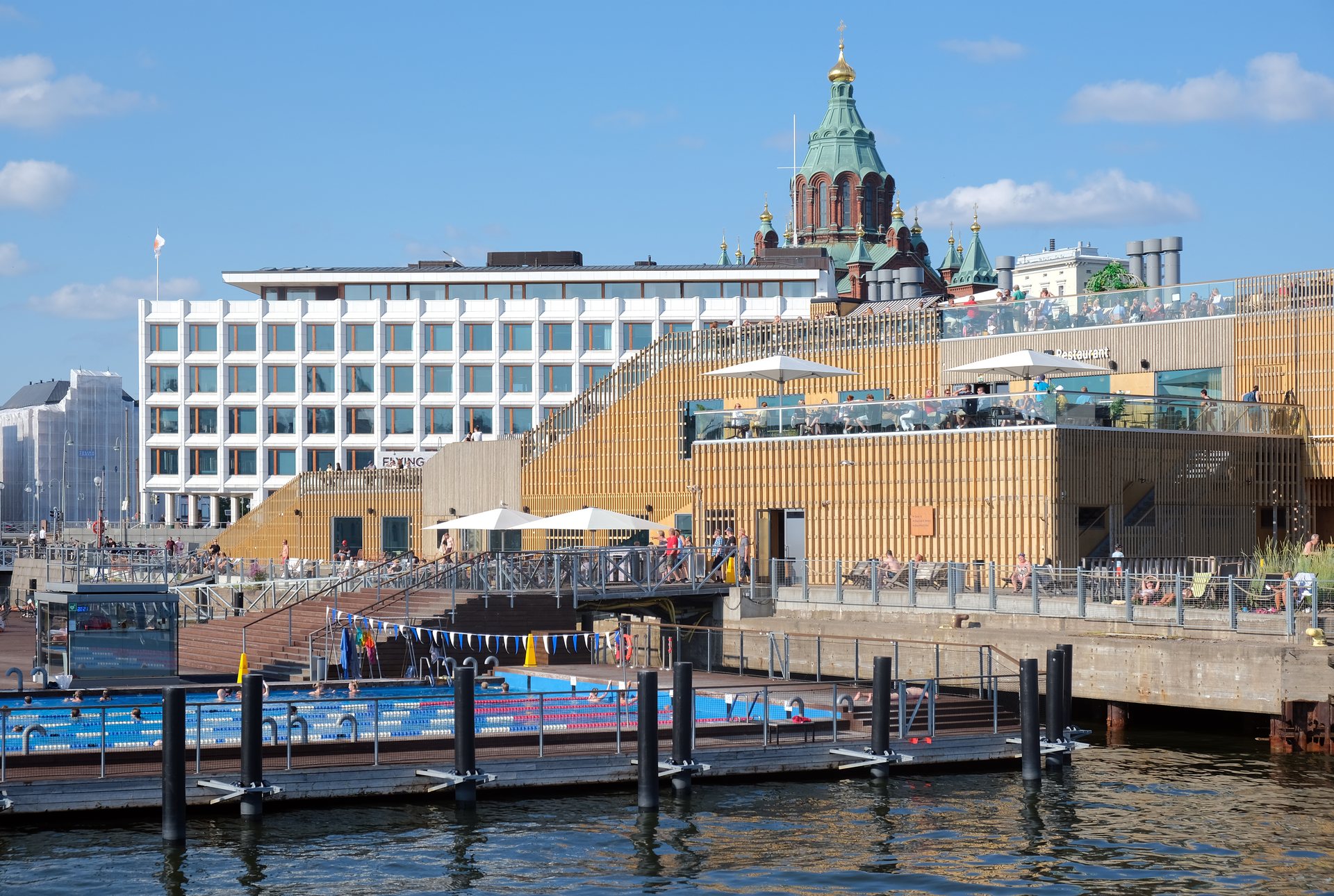
Ask a Finn whether they use the sauna in summer, and you will get the same look you would get for asking whether they eat breakfast in July. In a country with 3.3 million saunas for 5.5 million people, the sauna does not shut down when the snow melts. Midsummer Eve (Juhannus) is the peak of Finnish sauna culture, not its off-season. The lakeside löyly followed by a plunge into water that finally is not frozen is, for many Finns, the best session of the year.
In the Western commercial market, a different idea circulates: sauna is a cold-weather activity. Operators report summer booking dips. Wellness blogs publish seasonal listicles every June with recycled citations, crediting YouTube commentary as biomedical science and promising “detoxification” that no peer-reviewed study supports the way the marketing implies. One piece making the rounds this summer attributes a 1998 exercise study to a sleep doctor’s sauna advice and credits a podcast host with findings that belong to a 20-year Finnish cohort.
Here is the uncomfortable part for the people writing those articles: the seasonal-sauna question is not a wellness debate. It is a marketing artifact. In the country where the foundational research was conducted, year-round use was never in question. It was the baseline that generated the data everyone now quotes.
The actual science tells a more interesting, and more honest, story.
Key facts
- The study The Kuopio Ischemic Heart Disease (KIHD) cohort, published in JAMA Internal Medicine (2015), followed 2,315 Finnish men for a median of 20.7 years
- Frequency wins 4–7 sessions per week correlated with 63% lower sudden cardiac death risk, 50% lower cardiovascular mortality, and 40% lower all-cause mortality vs. once per week
- Duration threshold Sessions over 19 minutes cut sudden cardiac death risk 52% vs. sessions under 11 minutes
- The fine print Traditional Finnish saunas at 176–212°F, not infrared; the headline numbers come from a male-only sample
- Acclimation Lorenzo et al. (2010) found 10 days of heat exposure raised plasma volume 6.5% and improved endurance performance 5–8%
- Brain Laukkanen’s 2017 follow-up linked 4–7x/week use to 66% lower dementia and 65% lower Alzheimer’s risk
- The baseline Finland has 3.3 million saunas for 5.5 million people; UNESCO inscribed the tradition in 2020, and Finns do not stop in summer
The study everyone cites, and what they leave out
One of the most cited sauna studies in the world is the KIHD cohort, published by Timo Laukkanen and colleagues in JAMA Internal Medicine in 2015. It followed 2,315 middle-aged Finnish men for a median of 20.7 years and produced the numbers every consumer sauna article quotes: men who used the sauna four to seven times per week had a 63% lower risk of sudden cardiac death, a 50% lower risk of cardiovascular disease mortality, and a 40% lower risk of all-cause mortality compared with those who went once a week.
What most secondary coverage omits matters as much as what it includes.
First, the study population used traditional Finnish saunas at 176 to 212 degrees Fahrenheit. No infrared saunas were included. The operating temperature alone sets a different physiological context than the 120 to 150 degree Fahrenheit range typical of most commercial infrared cabins. Articles that cite Laukkanen’s data to validate infrared sauna benefits are extrapolating beyond what the research measured.
Second, these were Finnish men in a culture where year-round sauna use is the default, not an intervention they adopted in midlife. The dose-response curve in the data (more sessions per week, lower risk) reflects consistent, lifelong use. The study does not say “start going four times a week and you will cut your mortality by 40%.” It says that, in a population where consistent high-frequency use was the cultural norm, those who went most often fared best.
Third, the landmark numbers that consumer articles treat as universal come from a male-only sample. Laukkanen’s group has since published data on mixed-sex cohorts with directionally similar findings, but the specific percentages apply to the original male cohort.
None of this diminishes the research. It contextualizes it. The KIHD data is strong observational evidence that consistent, frequent, high-temperature sauna use tracks with better cardiovascular outcomes over decades. The key word is consistent, and consistency means twelve months a year.
Why a summer break costs more than you think
The physiological case for year-round use extends beyond cardiovascular epidemiology into exercise science, where heat acclimation research explains why breaks in routine carry a real cost.
Santiago Lorenzo and colleagues at the University of Oregon published a 2010 study in the Journal of Applied Physiology showing that ten days of heat acclimation (exercising at 104 degrees Fahrenheit) produced measurable adaptations in trained cyclists: a 6.5% increase in plasma volume, a roughly 5% improvement in VO2max in cool conditions, and a 6 to 8% improvement in time-trial performance. These gains came from heat exposure itself, not from additional training volume.
The relevance to sauna is indirect but real. Passive heat exposure triggers overlapping thermoregulatory adaptations, including increased plasma volume, improved cardiac output, and higher heat shock protein expression. A 2023 study in the International Journal of Hyperthermia by Pilch and colleagues found that a Finnish sauna session raised HSP-70 levels in both trained and untrained young men, and that by the tenth session of the series the acute rise was smaller than after the first. The body learns to handle heat stress more efficiently, but only if the stimulus continues.
Here is the practical part. Stopping sauna use for three or four months each summer means shedding acclimation gains that took weeks to build. For competitive athletes, this is a recognized training consideration. For regular users, the principle is identical. The dose-response relationship Laukkanen documented at the epidemiological level has a cellular-level counterpart in how the body maintains, or loses, its adaptation to heat. A summer off is not a neutral pause. It is a reset. That decay curve is also why selling sauna as heatwave preparation only works as a multi-session block, and why researchers studying heat adaptation draw a hard line between preparing for heat and coping with it.
About that “detox” promise
Consumer sauna content routinely promises that sessions will “flush out toxins like heavy metals, BPA, and environmental pollutants.” That framing overstates what the research supports, and it is worth being precise, because overclaiming is how an industry loses the trust it spent years building.
Humans do excrete trace amounts of heavy metals through sweat. A 2012 review in the Journal of Environmental and Public Health found detectable levels of arsenic, cadmium, lead, and mercury in sweat samples. But the concentrations are small relative to what the kidneys and liver process daily, and no clinical study has demonstrated that sauna-induced sweating produces a measurable reduction in total body burden compared with ordinary perspiration from exercise or warm weather.
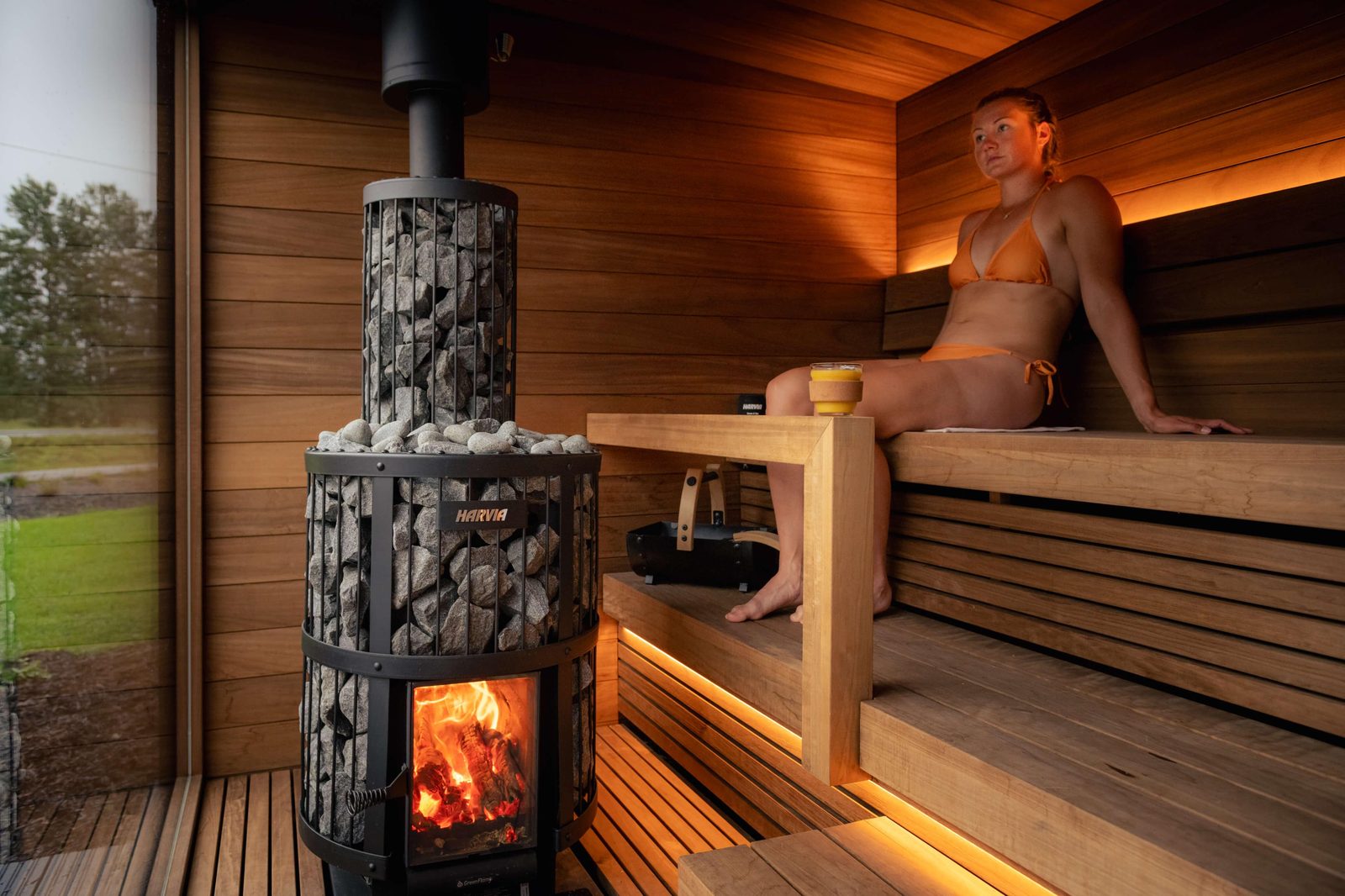
What a sauna session reliably does do is support skin health through increased dermal blood flow and impose a genuine cardiovascular demand through the work of thermoregulation. Those effects are real, documented, and present in every season. They do not need the language of “detoxification” to be worth the bench time. The gap between what the industry claims and what the evidence supports is exactly the credibility risk that erodes consumer trust over time.
Sleep and mood: where the evidence is strong, and where it is not
The claim that sauna improves sleep is plausible and mechanistically sound, but less well-documented by direct sauna research than the headlines suggest.
The mechanism is real: raising core body temperature and then letting it fall mimics the natural pre-sleep temperature decline that helps initiate sleep onset. It is the same principle behind the well-documented effect of a warm bath 90 minutes before bed. A 2017 randomized controlled trial by Naumann and colleagues found that hyperthermic baths at 104 degrees Fahrenheit improved sleep-related symptoms in patients with depression, and a 28-patient 2025 study by Yamasaki and colleagues in Ageing International found that night-time hot-spring bathing was associated with better subjective sleep quality in older patients with hypertension, measured at one and three months.
Those are warm-water studies, not dry-sauna trials. A dedicated Finnish-sauna randomized controlled trial measuring objective sleep architecture with polysomnography has not yet been published. The mechanism is biologically credible and the anecdotal reports from regular users are overwhelmingly positive, but the direct clinical evidence for dry sauna and sleep specifically is still accumulating. That distinction matters for an industry that wants its health claims to hold up under scrutiny.
On mood, the ground is firmer. Laukkanen’s group has shown associations between frequent sauna use and reduced risk of cognitive decline, and a substantial body of research on heat exposure and endorphin release supports the subjective experience regular users consistently describe. The social dimension of communal bathing contributes its own psychological benefit, a finding that applies equally to a January Aufguss session and a July lakeside löyly.
The summer slump operators create for themselves
For commercial operators, the summer slump is not a mystery of consumer psychology. It is a self-inflicted wound.
Western sauna marketing has spent decades training customers to associate the experience with cold weather. Winter imagery dominates campaigns. “Warm up” and “escape the cold” are the go-to value propositions. When the temperature outside rises, the perceived need melts with the snow.
Finnish operators do not have this problem because the cultural framing is different. Sauna is positioned as recovery, socializing, and ritual, not as warmth. The post-sauna lake swim, the midsummer bonfire, the weekend cottage tradition: none of these are winter activities. They are what sauna is for when you do not need it to get warm.
Operators who reframe summer sessions around post-activity recovery, social gathering in a purpose-built space, sleep support during the hardest months for sleep quality, and cool-down contrast (sauna into a cold plunge is more appealing in warm weather, not less) tend to flatten the seasonal curve. The science backs the reframe. The research does not say sauna is good for you in winter. It says sauna is good for you, and the benefits accrue with consistency across all twelve months.
Caldea, the Andorran thermal spa, closed 2025 with record revenue of €25.3 million, per Diari d’Andorra. A year-round model is not unique to the Pyrenees. Any operator with a cold plunge, an outdoor deck, or a lake within walking distance already owns the infrastructure for a summer value proposition that does not depend on anyone needing to warm up.
Why it matters
The consumer wellness industry has turned “should you sauna in summer?” into a content genre, complete with recycled citations, inflated detox claims, and studies that do not measure what the articles say they measure. The question itself exposes a cultural gap: in the country where the foundational cardiovascular research was conducted, year-round use is not a trend to be debated. It is the baseline from which the data was generated.
For operators, the takeaway is practical. The summer dropoff is not inevitable. It is the predictable result of cold-weather-dependent marketing. The science, the Finnish precedent, and the growing contrast-therapy market all point the same direction: consistency is the variable that matters most, and the operators who build year-round programming will capture the value the seasonal ones leave on the table.
The bottom line
The case for year-round sauna was not made by a wellness influencer or an infrared-panel manufacturer. It was made by 2,315 Finnish men in a country where the sauna does not close for summer, tracked by researchers for two decades. Their data does not contain a summer footnote. Neither should yours.