Grotto Baths Gives Wynwood a Bathhouse Instead of Another Bar

By Arlene Scott
Correspondent, Research and Industry
- Published
- Updated
- Reading time
- 6 min
- Opening tracker
- Grotto Baths Wynwood
SaunaNews is published by SaunaShare, Inc., which also runs SaunaShare.com and SaunaMarketplace.com, where we sell many of the products we write about. That experience may change what we write about and what we don't. Who owns SaunaNews
The 7,500-square-foot social bathhouse expects a members-only soft opening in early November, pending city approvals, with a ceremonial sauna that runs up to 185°F, five more thermal experiences and memberships from $225 a month.
In this story5 sections
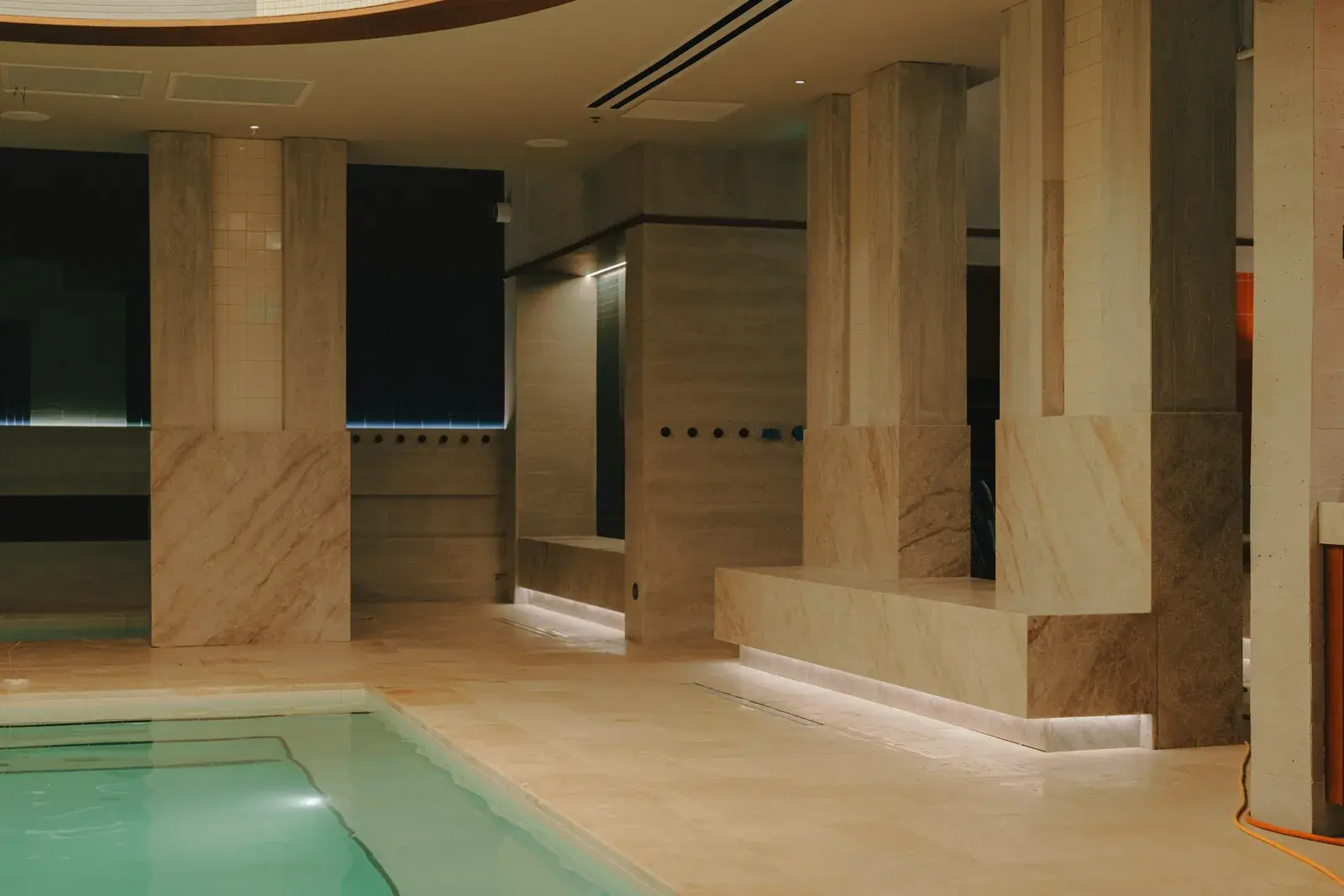
Grotto Baths is preparing to open a 7,500-square-foot bathhouse in Wynwood with two saunas, three kinds of pool, a steam room, a cafe and no alcohol. In a neighborhood very good at selling people a rooftop drink, Grotto would rather give them somewhere to sit in hot water and talk.
Pending final city approvals, Grotto expects to welcome members for a soft opening in early November and to open to the public ahead of Thanksgiving, founding partner and brand director Antoinette Marie Johnson told SaunaNews on October 12. The saunas, pools and bathhouse are complete. The team is finishing the front cafe and lounge and running operational tests while it waits on a temporary certificate of occupancy, and a grand opening celebration is planned for the days before the public debut. Founding and charter memberships are fully committed. Pre-opening memberships cost $225 a month for three visits or $315 a month for five, with the enrollment fee waived. Day passes are promised but not yet priced.
The architecture borrows from Brazilian modernism, but the operating idea is older. This is much closer to a Roman bath than a spa appointment: move through heat, warm water and cold, then eat, linger and see who else is there. The Romans would have recognized the sequence immediately. The membership portal might have taken a little explaining.
What Grotto has said
- Opening Members-only soft opening expected in early November and a public opening before Thanksgiving, both pending city approvals
- Address 325 NW 28th Street, Wynwood, Miami
- Footprint 7,500 square feet, including a 2,500-square-foot outdoor lounge
- Bathing Ceremonial sauna, infrared sauna, steam room, thermal pool, mineral pool and cold plunges
- Membership $225 a month for three visits or $315 a month for five, with a two-month initial commitment
- Visit rules Reservations required; no time limit on a visit and no re-entry after leaving
- House rules Co-ed, 21 and older, bathing attire required, phone-free thermal areas and no alcohol
Rome, with a reservation system
Roman baths were not quiet treatment rooms. They were pieces of city life. English Heritage describes bathers moving between the frigidarium, tepidarium and caldarium, with space around the circuit for food, exercise, conversation, gambling and the occasional poetry reading. The bath was where the temperature changed and the day kept going.
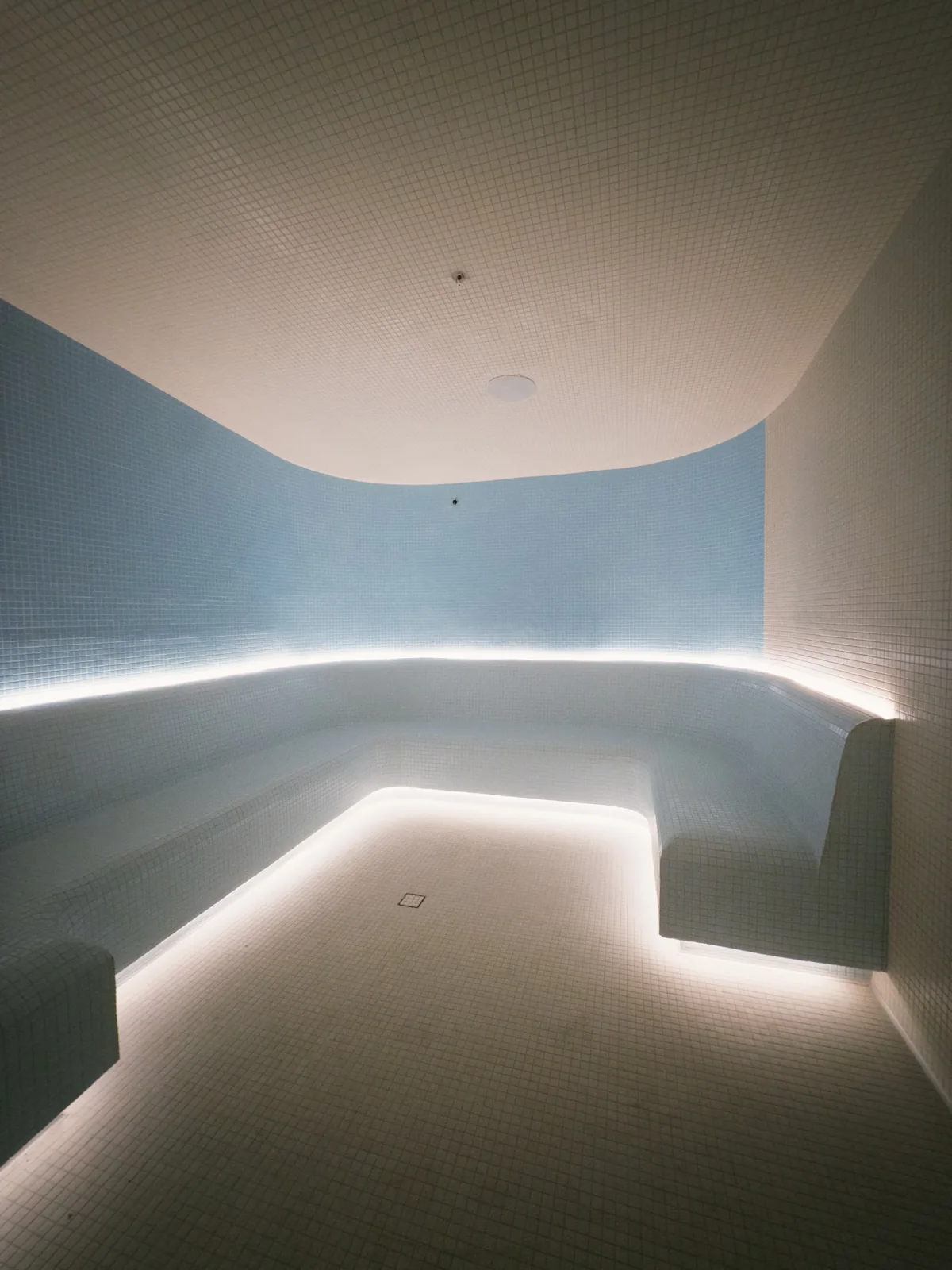
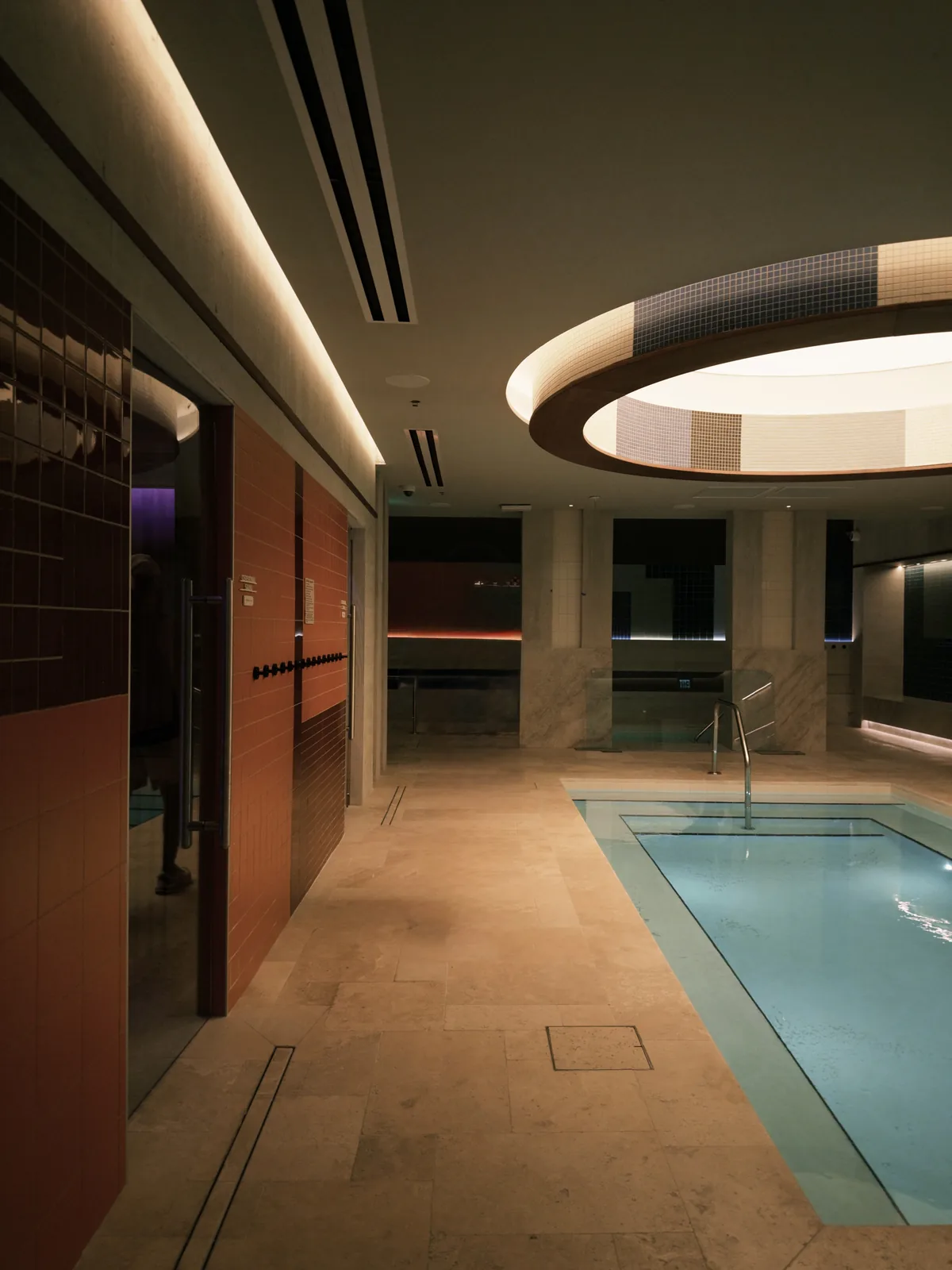
Grotto is building the modern Miami version of that loop. Its published bathing menu puts the ceremonial sauna at up to 185°F, with guided Aufguss, and the cold plunges between 40 and 50°F. Between them sit an infrared sauna, a steam room at 104 to 113°F, a warm thermal pool and what Grotto calls an in-between mineral pool. Then there is the Sensory Bar and Cafe, serving small plates, juices, tea and zero-proof drinks, plus the outdoor deck.
That last part is not an amenity tucked beside the exit. Members can use the cafe and lounge at any time, even when they are not booked into the baths. Grotto is trying to make the place somewhere people drop into, which is what separates a social bathhouse from a circuit people complete and leave.
The membership rules reveal the floor plan
Grotto has not published its simultaneous bathing capacity, locker count or pool dimensions. It has published enough rules to see how it plans to manage them.
Every visit requires a booking, and re-entry is not allowed once a guest leaves. Grotto sets no time limit on a visit but says most guests spend one to two hours. Memberships are capped at three or five visits a month, with 20% off day passes for extra visits. The first commitment lasts two months, followed by month-to-month billing with 30 days’ notice to cancel.
That answers one of the least glamorous bathhouse questions: how to sell membership without overfilling the locker room on Saturday afternoon. Instead of unlimited access, the tiers ration visits, and required bookings protect the busiest inventory. Membership includes cafe and lounge access at any time, which gives people somewhere to continue the visit after their bathing slot ends.
Grotto’s 21-and-older, phone-free and alcohol-free rules do similar work. They define the room before staff have to negotiate it guest by guest. The venue’s FAQ allows phones in the cafe, outdoor lounge, shop and check-in area, but not in the thermal circuit or locker rooms. The baths are co-ed. Swimsuit bottoms are mandatory, while guests may go topless. The FAQ is unusually direct on another point too: this is a social bathhouse, not a singles night.
Five founding partners split the work
Grotto Baths is led by five founding partners, each responsible for a different part of the project. Hospitality concepts are usually driven by one or two founders. Grotto has spread the work across real estate, design, hospitality, food and cultural programming. Nathan Kaplan and Nick Anselmo lead development and business strategy. Darryl Gibson oversees hospitality operations and cultural programming, drawing on experience at The Standard Spa and Faena Miami Beach, according to the project’s opening announcement. Chef Erik Oberholtzer, co-founder of Tender Greens, directs the culinary program. Founding partner Antoinette Marie Johnson, founder and creative director of Cohere, leads brand strategy and creative direction. Stokes Architecture + Design and Cohere collaborated on the design and fit-out of the space, while Miami artist Emmett Moore contributed site-specific work drawing on local materials and architectural traditions.
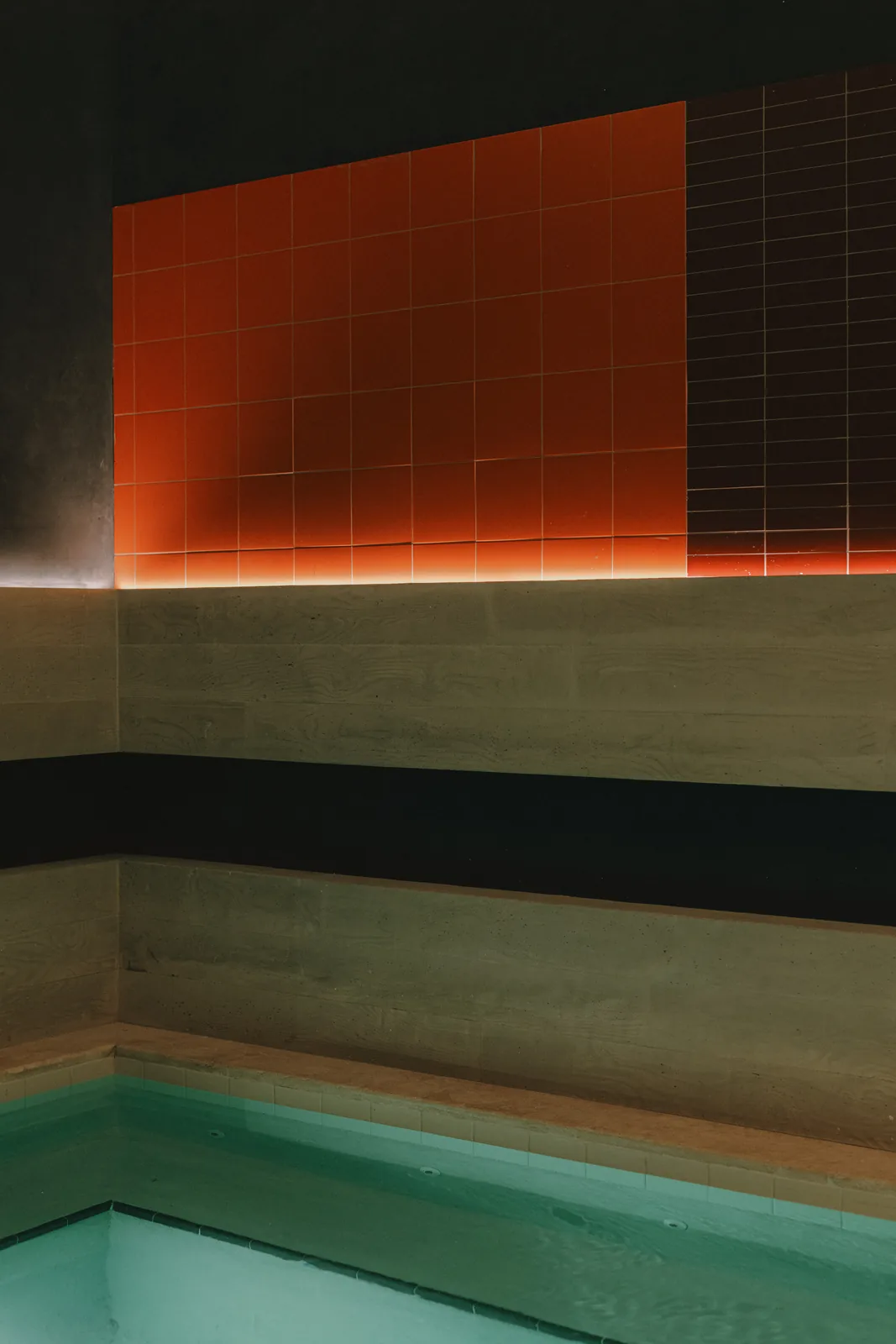
Grotto is built on the idea that well-being is as much about social connection as the physical benefits of bathing, so the partners developed the architecture, hospitality, food and programming together from the start. The goal, as Grotto puts it, is a bathhouse guests return to as much for the community as for the water. That fits the business. Grotto sells repeated use of a room full of strangers rather than massages or medical procedures, which means programming, food, etiquette and the tone of the staff matter as much as the water temperature.
The equipment questions are still open
The public material does not identify the sauna heaters, controls, ventilation design, water-treatment system or equipment suppliers. It also does not say how many people fit in the ceremonial sauna, a number that will decide whether Aufguss is a meaningful revenue and programming line or a pleasant extra.
Those omissions are normal before opening, but they are the details operators and builders should watch. A 7,500-square-foot venue with six thermal experiences, a kitchen, wet locker rooms and a large outdoor component has a very different staffing and maintenance burden from a sauna studio with two hot rooms and tubs. Grotto has explained the guest-facing circuit. The service plan behind it is still private.
The pitch to Miami: going out without alcohol
Grotto does not need to persuade Miami that going out is worth money. It needs to persuade Miami that going out can happen without a bar tab.
That is why Miami’s heat is no drawback, even in August. The product is a place to meet people, move between temperatures, eat something and stay awhile. Grotto is testing whether the Roman mix of recreation, hospitality and civic room can hold a Friday night in Wynwood.
Updated October 14, 2026: Grotto now expects a members-only soft opening in early November and a public opening before Thanksgiving, pending final city approvals. This story previously reported an end-of-October opening, based on Grotto’s membership page.