
Wellness Is Coming for Nightlife
By Arlene Scott
Correspondent, Research and Industry
- Published
- Updated
- Reading time
- 8 min
SaunaNews is published by SaunaShare, Inc., which also runs SaunaShare.com and SaunaMarketplace.com, where we sell many of the products we write about. That experience may change what we write about and what we don't. Who owns SaunaNews · The ownership announcement
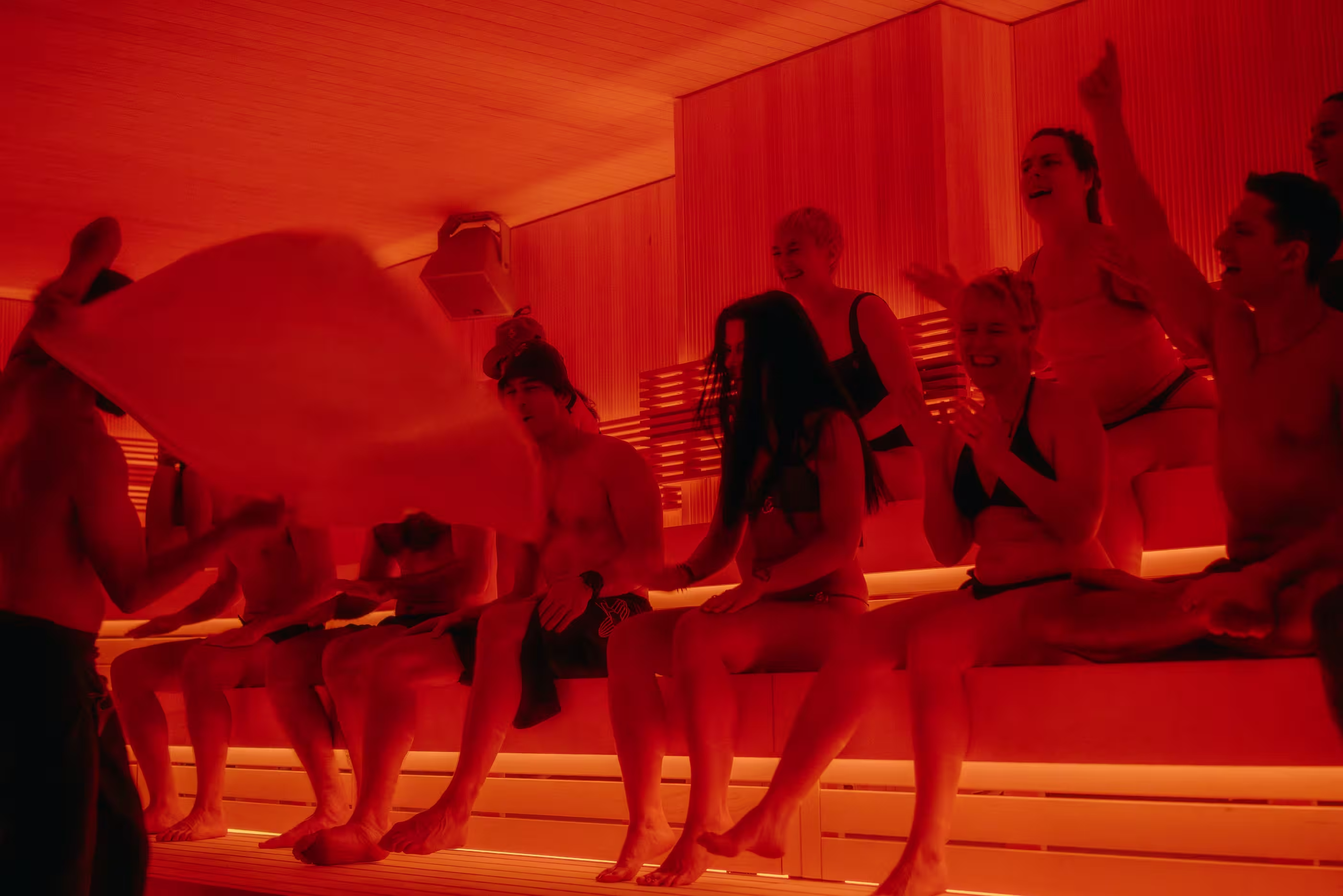
Othership is programming its Toronto and New York sites as an alcohol-free night out, with sober, phone-free evening formats built around sauna and cold plunge.
In this story4 sections
September 2026 update: movement, workshops and DJ sessions
Updated September 28, 2026. Othership’s recent programming gives the social-sauna model some concrete new examples. Sanctum listed collaborations at Othership Williamsburg for August 29 and September 19: a 150-minute program beginning with outdoor movement in the breezeway, followed by a 75-minute Othership Free Flow.
At the same Brooklyn location, Othership’s September 20 HRV Workshop + Unwind listing paired a 45-minute talk and questions with guest facilitator Salim Najjar with a 60-minute guided session. HRV stands for heart rate variability. The listing establishes the workshop format, not a measured health outcome.
Music remains part of the calendar, too. Flatiron listed AMANDAFEST, a Beat Drop DJ takeover, for September 26. These dates are past listings, not upcoming ticket recommendations. Together, they show how a bathhouse can program movement partnerships, guest workshops and evening socials around its existing sauna and plunge facilities.
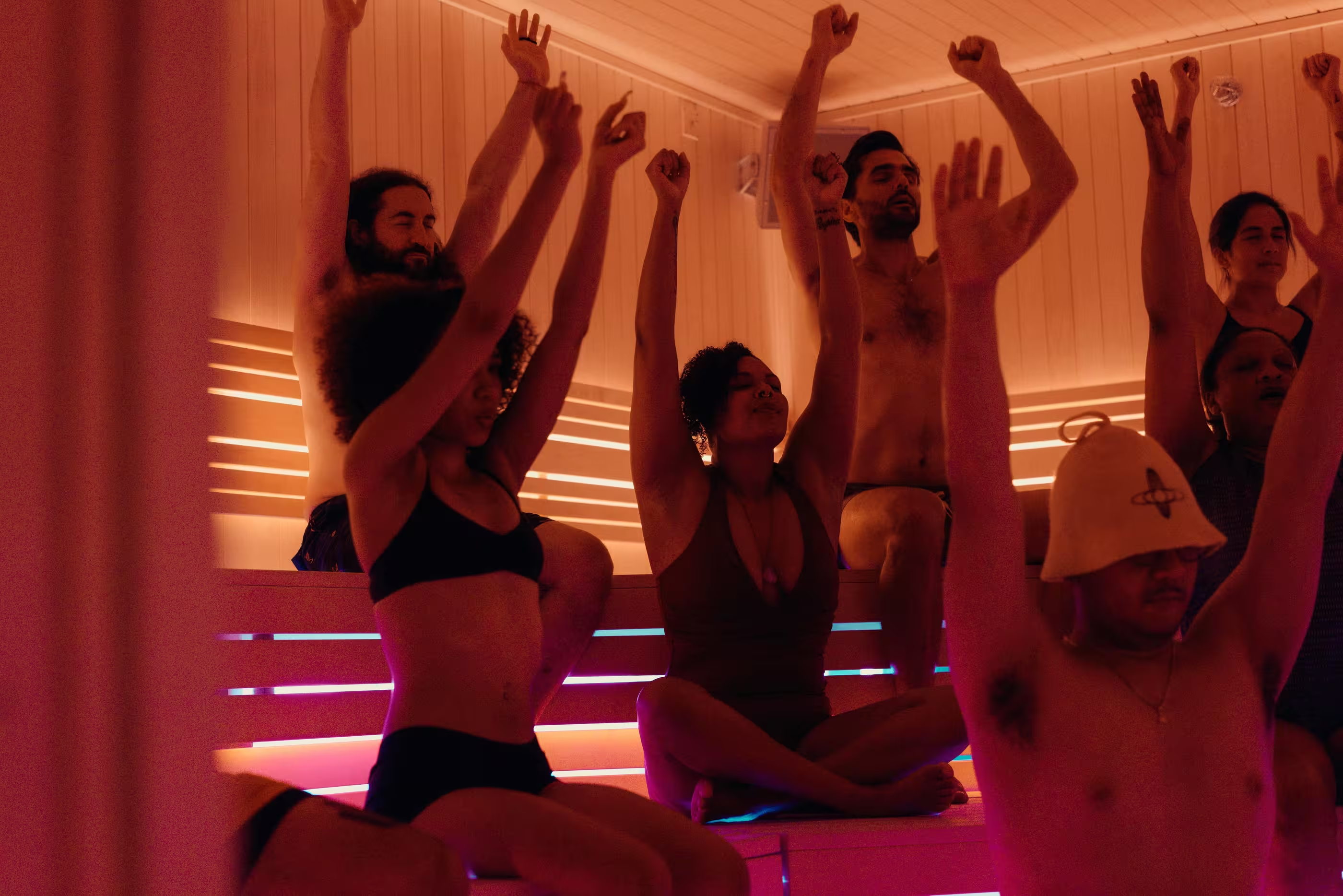
Othership, with sites in Toronto and New York, is building what some operators call “reverse nightlife”: evening social programming around contrast therapy, guided breathwork, music, and phone-free communal time instead of alcohol service. Its current mix of singles socials, comedy formats, DJ-led sessions, runners nights, Shabbat programming, and couples formats moves the company from “recovery add-on” toward “night-out destination.”
Why evening sauna programming is growing
Fewer Americans drink, and loneliness is now measured
The demand lasts beyond Dry January. Multi-year consumer research now points to a broad sober-curious shift, especially among younger demographics, and US self-reported drinking participation remains historically low (Gallup: 54% in 2025). At the same time, loneliness has become a measurable public-health and economic issue, with social connection increasingly treated as a paid service in fitness and wellness environments.
Less alcohol and more demand for in-person connection are the opening social sauna operators are using. The product is heat exposure plus belonging built through repeat rituals.
Othership started in backyards and garages
Othership began with backyard and garage sessions in Toronto before scaling to commercial sites. The community came before the real estate. By the time the company moved into formal locations, it already knew people would repeatedly show up for guided hot/cold sessions when the environment made vulnerability feel safe and structured.
The expansion path now includes two Toronto flagships, two New York locations (Flatiron and Williamsburg), and a signed Upper East Side project targeted for 2027. The UES plan (publicly reported as a 14,000-square-foot, multi-level buildout) shows how much capital the format needs once it grows past boutique scale.
Themed events give people a reason to go out tonight
Othership’s calendar runs recurring themed events:
- Lovership / Singles Social: Contrast-therapy dating format built around shared discomfort, movement, and facilitator-led interaction.
- Comedy Night: Stand-up programming inside a high-heat sauna with cold-reset intervals between sets.
- DJ Takeovers / Sauna Raves: Dance music for a sober-curious crowd, set to the hot and cold rounds, with guided breathing.
- Shabbat Social Schvitz + affinity nights: Sessions built for a specific culture or community, which bring in new audiences.
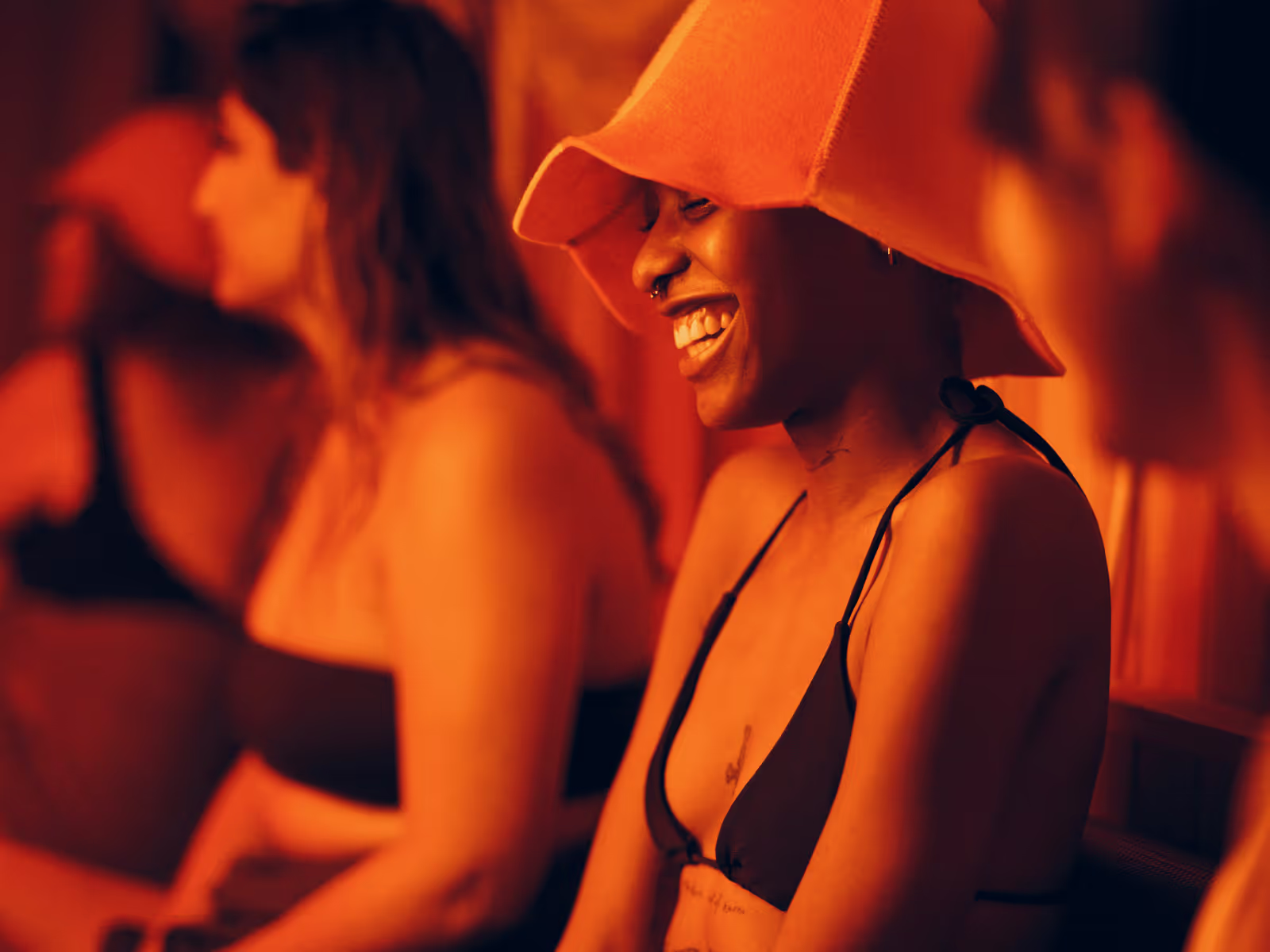
Each does what a night out does: a change of mood, permission to talk to strangers, a shared script, and a story to tell, inside a two-hour window.
Where Othership sits, and how the money works
Alcohol-free social venues now split into several models
The main ones:
- Othership: Event-led communal bathhouse, pitched as a substitute for a night out.
- Remedy Place: Clinical, high-luxury “social wellness club” positioning across breathwork, cold exposure, and medical-adjacent modalities.
- Bathhouse: Large-footprint bathhouse hospitality that sometimes crosses into underground nightlife.
- Sauna House and regional operators: Replicable social bathing models moving into smaller US markets.
Many brands sell recovery. Fewer give people a reason to come on a Friday night.
What investors and landlords get
Social sauna operators combine recurring membership revenue with paid events and members who keep coming back.
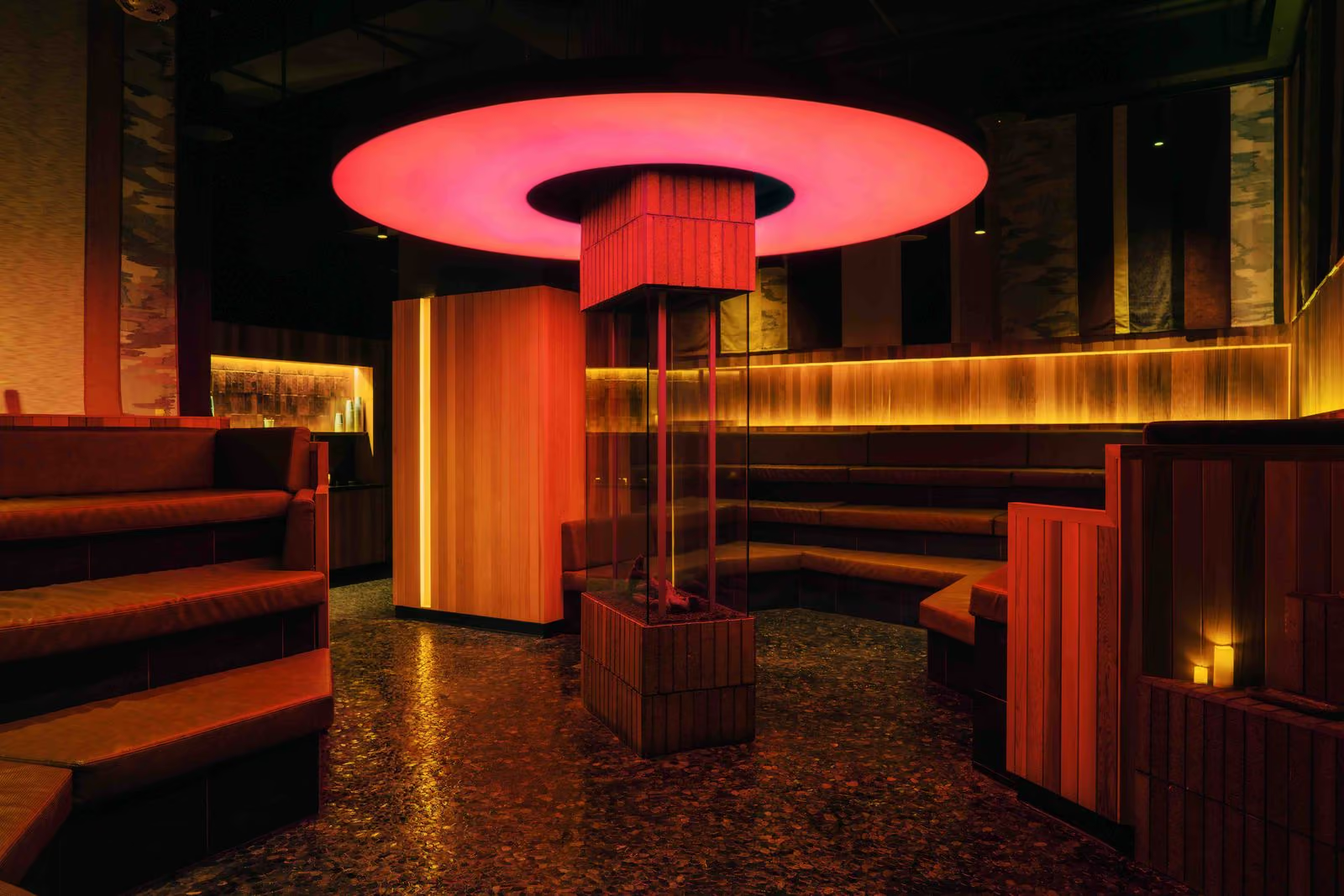
For landlords, high-engagement wellness anchors can drive traffic and support residential or mixed-use positioning. That helps explain the large leases and heavy MEP/HVAC investment required for advanced sauna, steam, plunge, and lounge environments in dense urban markets.
Othership’s reported funding and pricing fit that pattern: high enough to pay for staffed, programmed sessions, but still within range of a typical city night out. The comparison is less a boutique fitness class than dinner, drinks and entertainment.
Critics see an expensive optimization culture
Consumer reactions show a split between people who describe social sauna as psychologically life-changing and critics who see an expensive, aestheticized optimization culture. Common concerns include price accessibility, class signaling, and the pressure to perform an idealized wellness identity.
The brands likely to last are the ones that keep rigor and safety while making the place less intimidating: clearer newcomer pathways, multiple intensity levels, and community norms that feel inclusive rather than performative.
Programming decides who gets the evening spend
Heat and cold are now table stakes in many urban markets. Programming, facilitation quality, and community design decide who gets discretionary nightlife spending. The unit economics that make this programming work (what a certified Sauna Master costs, what a 30-to-90-seat performance heater draws, and what the resulting labor ratio does to a spa P&L) sit in SaunaNews’s separate analysis of the business of Aufguss.