Harvia Is Phasing Out a Xenio WiFi Kit, and Fenix Remote Start Needs a One-Time Paid Upgrade

By Arlene Scott
Correspondent, Research and Industry
- Published
- Reading time
- 8 min
SaunaNews is published by SaunaShare, Inc., which also runs SaunaShare.com and SaunaMarketplace.com, where we sell many of the products we write about. That experience may change what we write about and what we don't. Who owns SaunaNews · The ownership announcement
Harvia support pages now point Xenio owners toward Fenix, and Harvia lists the Xenio WiFi CX001WIFI kit as in ramp-down. Fenix is smarter, but remote start now requires MyHarvia Control.
In this story4 sections
Harvia’s support documentation now points to Fenix as its platform for connected sauna control, and on Fenix, remote start is a paid upgrade. Harvia has not issued a blanket discontinuation notice for every Xenio controller.
Harvia’s product page for the Xenio WiFi CX001WIFI kit lists its product life cycle status as “S4 - Ramp-down.” Harvia’s support page on remote use states that remote control is a standard feature on Xenio WiFi XW heaters, with no extra accessories or additional purchases required. For Fenix FC heaters, the same page says remote control is an in-app license upgrade, which Harvia sells as MyHarvia Control.
That distinction matters in the showroom: Xenio’s message was simple (remote control included), while Fenix introduces a paid software layer for remote start unless the package already includes the Control license.
What Harvia has publicly confirmed
Harvia has not publicly said all Xenio units are discontinued. Some Xenio products remain listed, including in the broader Harvia Xenio & Fenix product family. But Harvia’s own pages point to a phased transition:
- Harvia’s product data lists the Xenio WiFi CX001WIFI kit as “S4 - Ramp-down.”
- Some Xenio SKUs already show “Product life cycle status: Discontinued” on Harvia-owned pages.
- Harvia positions Fenix as backward-compatible with the installed Xenio base.
- Harvia says additional Fenix-compatible products are rolling out in 2026.
Fenix is better hardware, but a harder pricing story
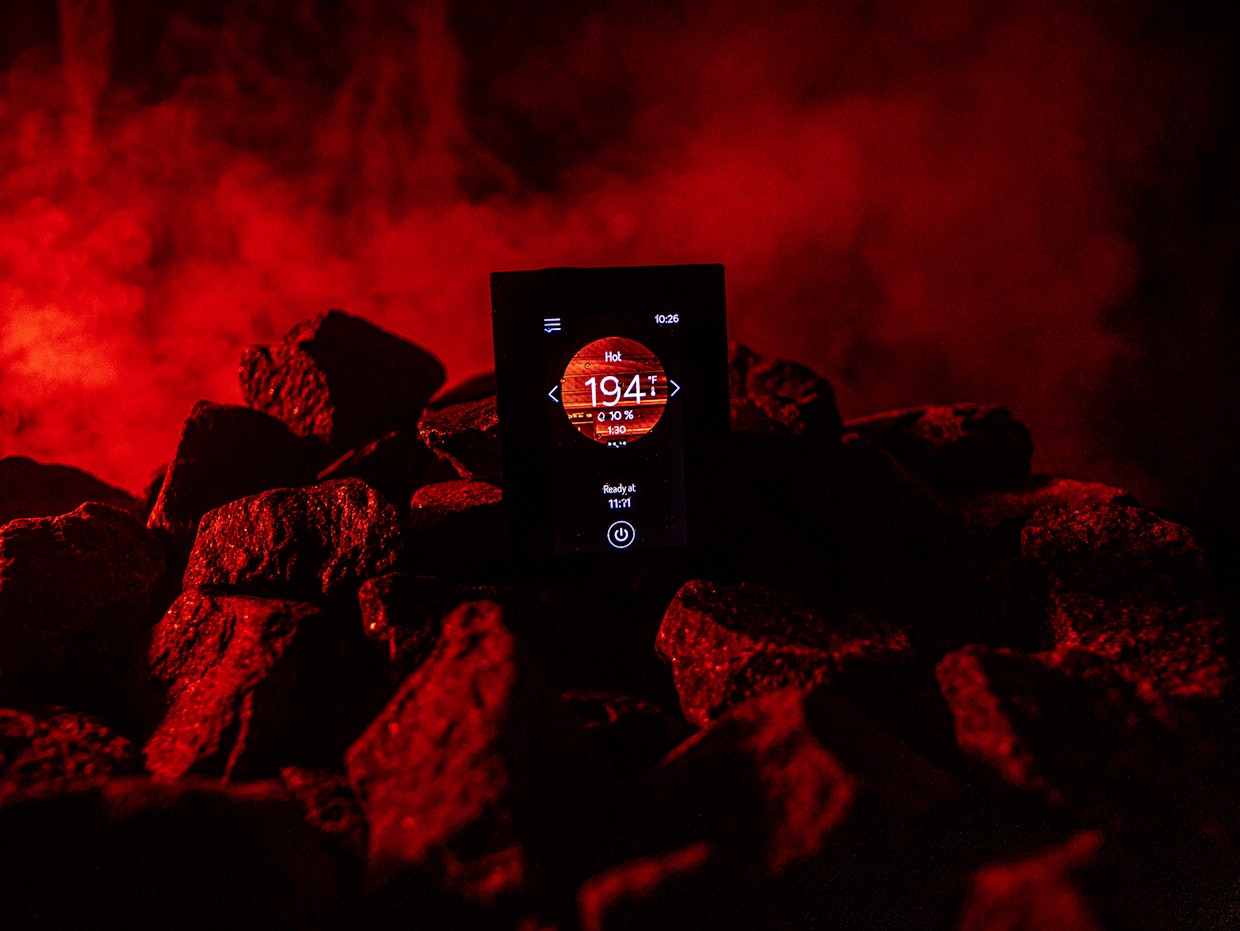
On paper, Fenix is a meaningful upgrade: 4.3-inch glass touchscreen, built-in WiFi, OTA updates, heating profiles, and a smart ready-by timer that learns sauna heat-up behavior.
The friction is software packaging. Harvia’s MyHarvia 2 materials say Core is free and Control is a one-time upgrade tied to the lifetime of the panel (not a monthly recurring fee). At the same time, some Fenix product pages still use “subscription” language, which can confuse buyers expecting remote start to be bundled by default.
The mismatch matters because many customers first ask one question: Can I start my sauna remotely from my phone? An unexpected paid activation after the hardware purchase makes the sale harder.
As of publication, SaunaNews could not find a US Fenix option for every Harvia heater line, including KIP. If a homeowner cannot spec the same control architecture across every shortlisted heater, a Xenio-era package may be the simpler choice.
Dealers should spell out the tiers in the quote
Set out the offer upfront:
- Xenio WiFi: remote control included on applicable XW configurations.
- Fenix Core: monitoring, history, notifications, and app connectivity.
- Fenix Control: remote start requires the paid Control upgrade, unless already included in the selected package.
That heads off a surprise charge for the Control upgrade after installation.
Rivals can pitch remote start with no license
Harvia says the Fenix control products are UL certified for the US market, where sauna heater certification is moving from UL 875 to UL 60335-2-53. For the regulatory context, read our UL 60335-2-53 transition explainer.
Harvia has momentum in connected controls, but competitors now have a simple counter-message in residential channels: remote start included, no extra license step. If Harvia retires Xenio before Fenix pricing and compatibility messaging feel effortless to US buyers, that creates an opening for rival control platforms.
For buyers comparing similar price tiers, simple pricing often wins over nuanced software tiers, even when the more advanced controller is technically better.
The open question is whether customers will pay extra for a feature many considered part of the original smart-sauna promise.
Related background: see our Harvia Xenio & Fenix breakdown, our UL 60335-2-53 transition analysis, and our broader smart sauna market coverage.
Harvia events
1 event