
Why Paris’s Sant Roch Appears to Sell Only Half Its Sauna Seats

By Arlene Scott
Correspondent, Research and Industry
- Published
- Reading time
- 6 min
SaunaNews is published by SaunaShare, Inc., which also runs SaunaShare.com and SaunaMarketplace.com, where we sell many of the products we write about. That experience may change what we write about and what we don't. Who owns SaunaNews · The ownership announcement
Sant Roch opened in Paris with 4,500 visits and 85% occupancy in month one. Back into the math, assuming the hot room seats about 35, and it looks like the operator is deliberately selling roughly half of its physical capacity. That restraint is the number US operators should copy.
In this story5 sections
Sant Roch, the new premium contrast therapy club in the first arrondissement of Paris, opened in March and shared its first-month numbers with trade outlet Spa Business: 4,500 paid visits in the first month, occupancy north of 85%, more than 100 memberships sold, a 70% return rate after first session, and guided rituals booked a full week out. The facility is 4,305 square feet, with a 646 square foot sauna and five cold plunges.
The operating grid tells a narrower story. At 4,500 visits and 85% occupancy, Sant Roch’s bookable monthly inventory is roughly 5,294 visits. Across a 14-hour operating day (8 am to 10 pm), that works out to about 17 sellable spots per start time if the venue runs 10 starts per day. Sant Roch does not publish the sauna’s seat count. If the 646 square foot room holds about 35, the assumption used in the math below, the operator is selling roughly half of what the hot room could physically hold.
What Sant Roch reported
The headline metrics are company-shared, not independently auditable. Sant Roch’s website confirms the operating format: reservation-only access, credit and subscription booking, guided and self-guided 75-minute sessions, daily 8 am to 10 pm hours, mixed bathing areas with separate men’s and women’s changing rooms. The month-one commercial figures come from a trade press article the company briefed directly.
The plunges sit between 37°F and 50°F, according to the official site, though design-press coverage cites a slightly colder 37°F to 46°F range. Sessions follow a structured loop of 15 to 20 minutes in the heat and 30 seconds to 3 minutes in the cold, with rest phases in between.
- 4,500+ paid visits in the first 30 days
- 85%+ claimed occupancy against bookable inventory
- 100+ memberships sold
- 70% reported return rate after first session
- 7 days lead time on guided ritual bookings
- $49 (€45) public single-session reference price
- 646 sq ft sauna footprint inside a 4,305 sq ft venue across two levels
Founders Jules and Chloe Bouscatel built the brand out of Monday Sports Club, a French boutique fitness operator. The discipline on display is boutique-fitness logic, not hotel-spa logic.
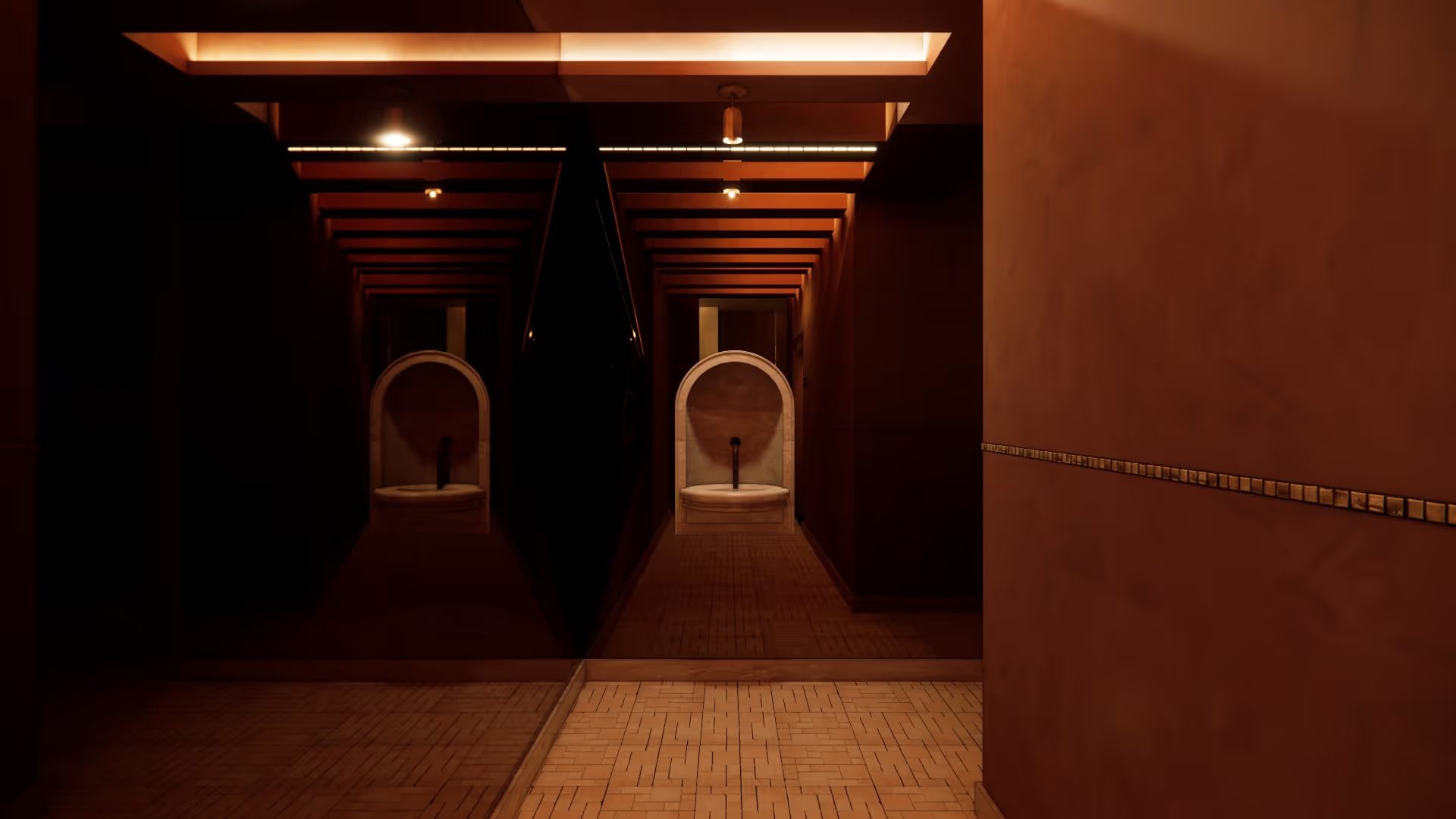
Sant Roch sells about half its hot-room capacity
At roughly 150 visits per day on average (4,500 divided by 30) and 85% fill, Sant Roch is operating at roughly 176 sellable slots per day. Spread over 9 to 11 start times, that lands between 16 and 20 bookable places per session. That is well short of a fully loaded 35-seat sauna running back to back.
That suggests Sant Roch is deliberately under-loading the hot room to protect what the $49 ticket buys: calm plunge access, unrushed lounge turnover, choreographed guided rituals, and an experience that breaks the moment a sauna feels like a crowded subway car.
US operators of premium thermal clubs like Bathhouse, franchised formats like Sauna House, and flagship integrations like Equinox’s thermal rituals are all negotiating the same constraint. Revenue scales with seats. Premium pricing scales with the opposite: restraint, pacing, and the feeling that you are not sharing a bench with twenty-nine strangers.
The unit economics work, but not on the door rate alone
The €45 single session is the public benchmark, but Sant Roch’s official sales page shows the revenue mix is a blend of session packs, monthly subscriptions, annual subscriptions, a discovery offer, and gift cards. Actual recognized revenue per visit should land below the door rate. A base case uses net average revenue per visit of €42.5 (about $46), with an assumed €8 per visit in variable cost for laundry, utilities, consumables, payment processing, and treatment chemicals.
Sant Roch has not published what the site cost to build, so payback cannot be checked from the outside.
Four things the headline math misses
Four questions decide whether this model scales, especially in a US version.
Paris summer. Month one landed in March. Paris empties in August. The €1.23M fixed cost base does not care what month it is. A realistic 12-month model has to underwrite a summer floor, either through heatwave-positioned cold plunge programming, tourist conversion (the Tuileries location helps), or aggressive membership prepayment to smooth cash.
Ancillary revenue. The €42.5 ARPV assumption counts only session credit consumption. Premium wellness operators often sell branded retail, post-session hydration, adaptogenic drinks, and skincare. On 50,000 annual visits, a €5 per head ancillary capture adds €250,000 (about $275K) straight to the contribution line.
Corporate buyouts. The address, between the Louvre and Place Vendôme, is unusually good for off-hours B2B sellouts. Fashion week recovery events. Luxury brand pre-press breakfasts. Tech off-sites. Corporate buyouts protect weekday daytime, the exact shoulder period that kills venue P&Ls. Selling even one weekday morning per week as a private hire at €5,000 to €10,000 is another €250,000 to €500,000 of high-margin annualized revenue on what would otherwise be dead hours.
The maintenance reserve. A 24% EBITDA margin is operating cash, not net income. Wet thermal environments eat themselves. Plunge chillers, wood benches, tile grout, ventilation systems, and water treatment consumables all require aggressive replacement cycles. A realistic maintenance capex reserve of 3 to 5% of revenue takes $70K to $120K off the top line every year. That still leaves the model healthy.
The US premium social sauna field
Bathhouse told CNBC it expects to reach about $120 million in run-rate revenue by the end of 2026. Equinox is layering thermal rituals into flagship gyms. Remedy Place and SweatHouz are approaching the niche from different angles. Operators like Othership are converting social sauna into programmed nightlife.
Sant Roch gives US operators a reference case for one question: can you cap inventory and still clear EBITDA? On month-one numbers, the answer looks like yes. Years one, three and five will decide whether the model gets a second and third site. Whether any of this pencils also comes down to the labor ratio inside the hot room itself, which SaunaNews has broken down separately in a full P&L analysis of the business of Aufguss.
Watch whether Sant Roch publishes a full-quarter update that includes summer weekday occupancy, the exact mix of single sessions versus pack versus membership revenue, and any disclosure on ancillary capture. Also watch whether the Bouscatels announce a second site and, if so, whether it replicates the 4,300 square foot flagship format or drops to a smaller neighborhood-club footprint.