Marriott Opened Its Design Lab to Therme. The Hotel Sauna Spec Is What’s in Play.

By Arlene Scott
Senior Wellness Correspondent & Hospitality Consultant
- Published
- Reading time
- 8 min
SaunaNews is published by SaunaShare, Inc., which also runs SaunaShare.com and SaunaMarketplace.com, where we sell many of the products we write about. Assume that experience shapes what we cover and what we don't. Who owns SaunaNews · The ownership announcement
No equity, no fee, no timeline: the August 13 alliance is a Bonvoy packaging deal plus a design collaboration. But Marriott owns 50 of its 10,082 hotels and franchises 7,939, and the only thing that moves equipment into those buildings is a brand standard.
In this story4 sections
Marriott International finished the second quarter with 10,082 hotels and 1,813,698 rooms. It owns or leases 50 of them. That ratio is the whole story of the alliance Therme Group announced on August 13, and it is why the interesting sentence in the release is not the one about loyalty packages.
The headline version is a travel deal: Marriott Bonvoy members get lodging packages built around Therme’s thermal bathing destinations. Fine, and easy to picture. One clause further down is the part that should get a supplier’s attention. Therme is working with the Marriott Design Lab on hotel amenities, “from spa and fitness to guestroom concepts.” A company that runs some of the largest concentrations of commercial hot rooms in the world now has a seat in the room where Marriott prototypes what its hotels contain.
Key Facts
- What A strategic alliance between Therme Group and Marriott International covering customer experience, design innovation, wellness research and future development opportunities
- Announced Munich, August 13, 2026; distributed via Hospitality Net
- Near-term deliverable travel and lodging packages connecting Marriott Bonvoy members to Therme destinations
- The design work Therme collaborating with the Marriott Design Lab on spa, fitness and guestroom concepts
- Marriott scale (Q2 2026) 10,082 properties, 1,813,698 rooms, of which 7,939 are franchised or licensed, 1,947 managed, and 50 owned or leased; Bonvoy passed 295 million members
- Therme scale 5.3 million annual visits across its European destinations, with projects advancing in Manchester, Toronto, Singapore, Frankfurt, Washington D.C., Dallas and Dubai
- Terms none disclosed. No equity, no fee, no timeline. The release states that any future collaborations “would be subject to further agreement”
Marriott does not buy heaters. It writes the document that does.
Fifty owned or leased properties out of 10,082 means Marriott is a brand and management company that happens to have hotels attached. It does not write checks for sauna heaters, benches or air handlers. What it writes is the brand standard, and then 7,939 franchisees buy the equipment that satisfies it, usually on the clock of a property improvement plan, the renovation schedule an owner has to complete to keep the flag on the building.
That is the transmission belt, and this trade has never been connected to one this large. A residential heater brand fights for dealer shelf space one showroom at a time. A commercial brand chases one bathhouse project at a time, on an 18-month sales cycle, against a general contractor who would rather buy the cheapest listed cabinet in the catalog. A single line in a Marriott brand standard reaches more hot rooms than the entire North American social sauna buildout of the last five years.
Nothing in the August 13 release says Marriott is going to write that line. It says Therme is helping think about spas, fitness and guestrooms. But the Design Lab is not a marketing exercise, which is what makes it worth watching. It sits at Marriott’s Bethesda, Maryland headquarters, and the adjacent hotel carries live prototype guestrooms that real paying guests sleep in so the design team can watch what happens before a concept reaches a prototype book. Things that survive that process turn into specifications. Specifications turn into purchase orders in Cincinnati and Charlotte.
The hotel sauna has never had a design authority
Here is the gap Therme is walking into. In the United States, the room has standards and the heater has standards, and the person running it has almost none. The heater carries a listing. The enclosure answers to the building code. The water outside the door answers to the state public bathing code. The actual operating question, how hot, how long, how much fresh air per bather, when the stones get replaced, who checks the bench temperature, is left to whoever is holding the keys.
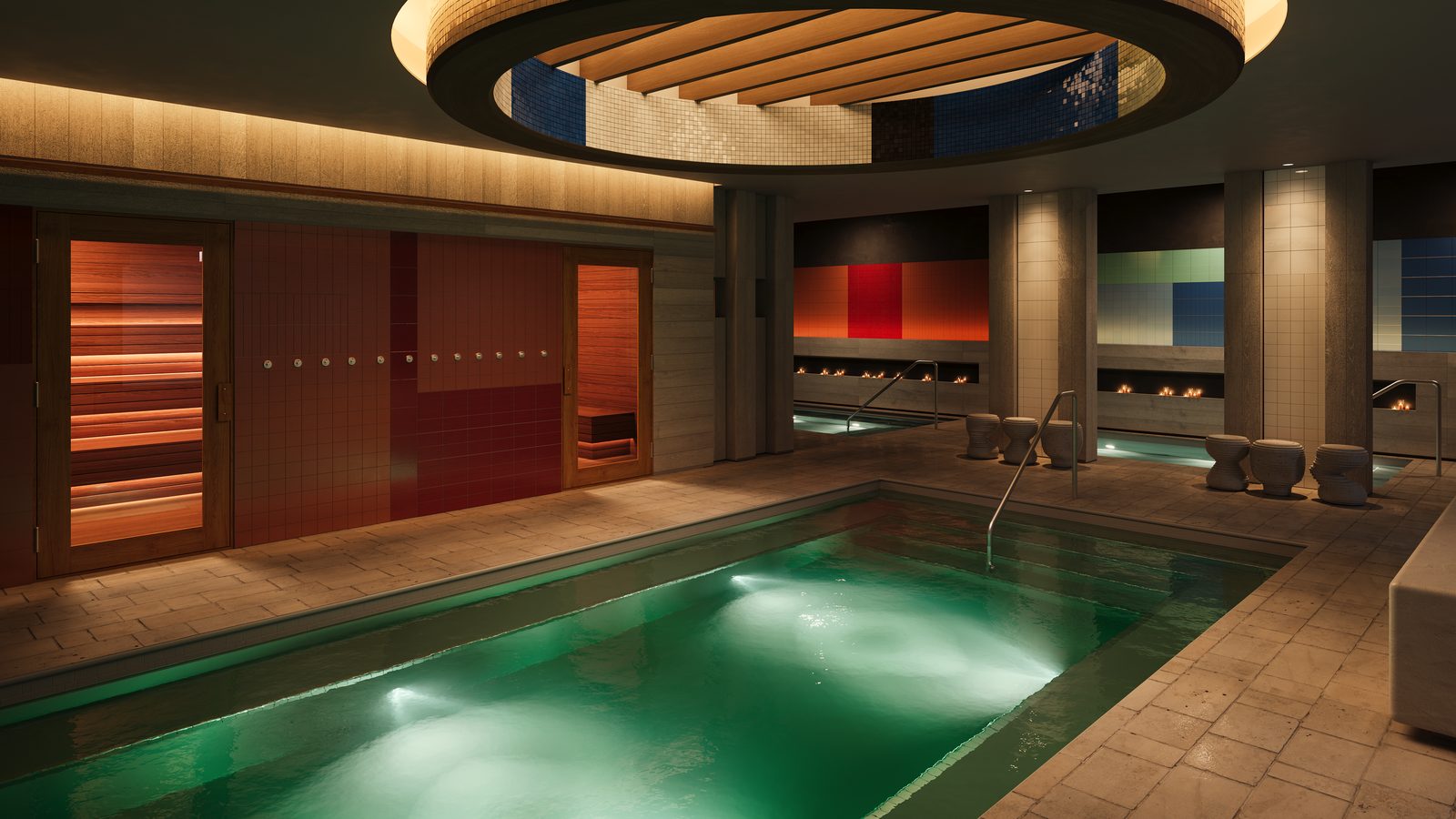
So the hotel sauna gets specified the way every other back-of-house amenity gets specified: by a developer’s furniture, fixtures and equipment budget, a prefabricated catalog, and a square footage allocation that survived value engineering. Nobody in that chain runs hot rooms for a living. It shows. When Sauna-lehti, the Finnish Sauna Society’s quarterly, convened a panel to test seven hotel saunas in the Helsinki region, it judged them on heater type and capacity, ventilation, bench construction and condition, stone quality, water access and temperature accuracy. Several of the results were not kind, and this was in a country where the hotel next door is competing against three million private saunas. The American baseline is lower, not higher.
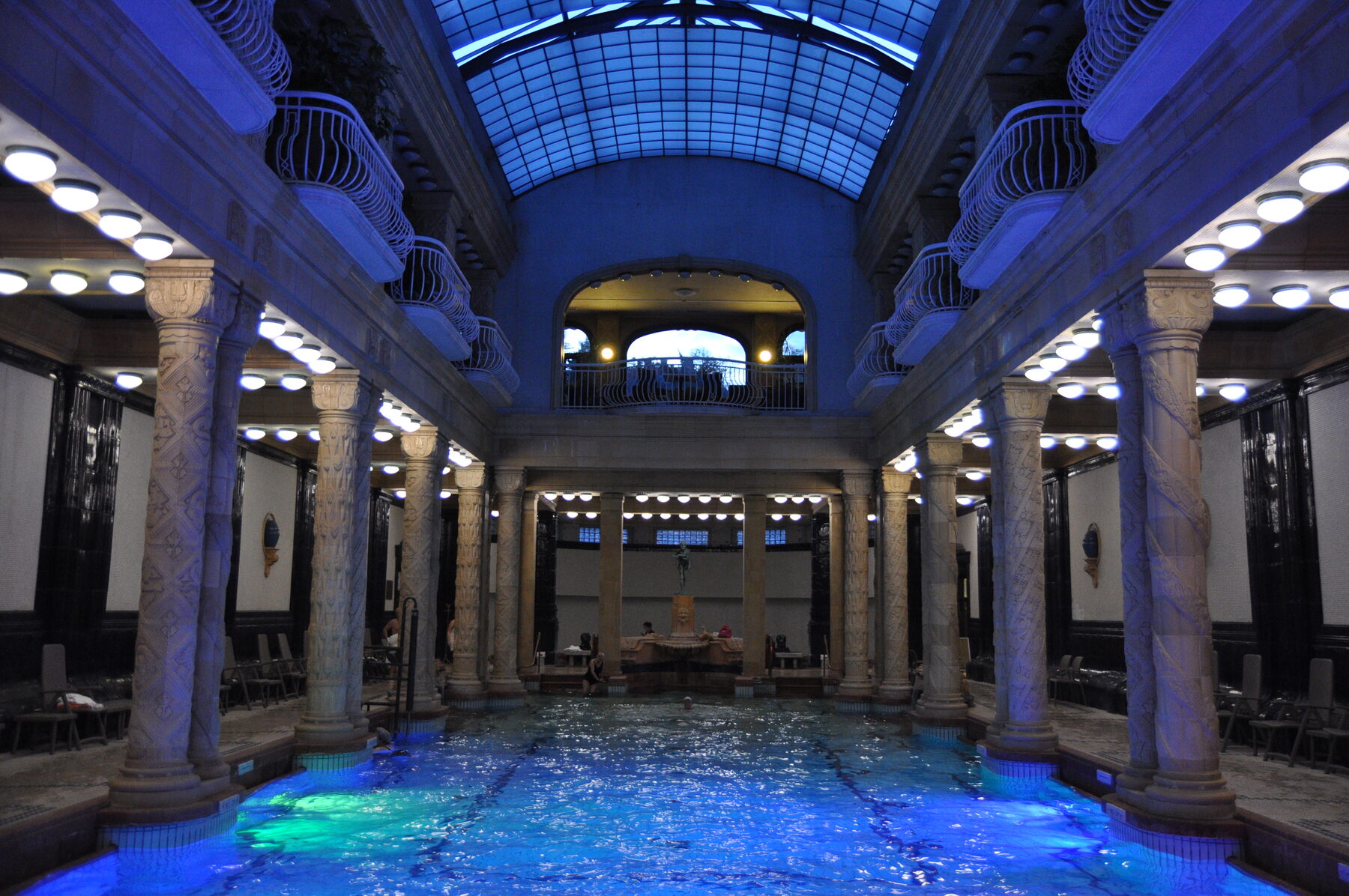
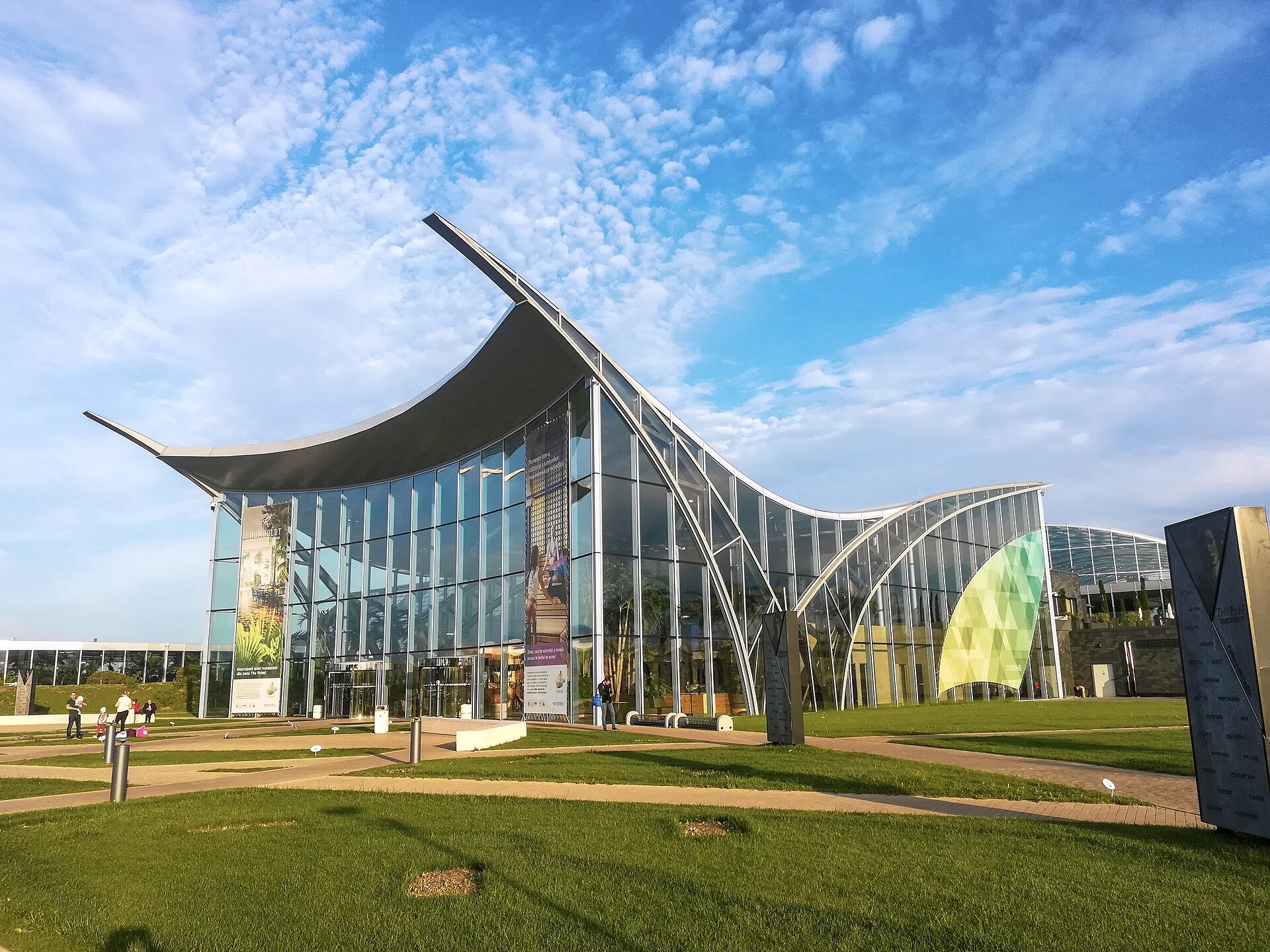
What Therme brings to that conversation is not taste. It is throughput. Therme Erding alone runs 35 saunas and steam baths on one site, more commercial hot rooms than most American metropolitan areas contain in total, and it has run them for years. The group took full ownership of the four German Wund-built destinations through Therme Horizon, its joint venture with CVC, after German competition clearance in January. Erding, Sinsheim, Euskirchen and Titisee-Neustadt plus Bucharest add up to 5.3 million visits a year, which is a very large sample of people opening a sauna door and a very large maintenance history of what breaks when they do.
That is knowledge a hotel design team cannot buy anywhere else, because almost nobody else has it. It is also knowledge that only cashes out if the collaboration produces engineering. A ventilation scheme with an air-change target, a bench geometry that holds up to 300 sessions a week, a heater duty cycle that does not cook the room dry by 4 p.m., a stone replacement interval written into the operating manual. That is the checkable outcome. A mood board is not.
What is actually signed, and what is not
Nothing, financially. No equity changed hands, no fee was disclosed, no timeline was given, and the release is explicit that future collaborations “would be subject to further agreement.” Both executive quotes are about how travel makes people feel. Peggy Roe, Marriott’s EVP and chief customer officer, opens with “some of the most memorable travel experiences are the ones that change how you feel.” Dr. Robert Hanea, Therme’s founder and chief executive, offers that “wellbeing has become a defining dimension of the travel and hospitality experience.” Neither sentence tells you what either company decided.
The sentence about further agreement does, and it is not a criticism. This is how a corporate development conversation starts, and the packages are the cheap, fast, reversible half that proves whether the two customer bases overlap at all. If Bonvoy members book Therme, the design work gets a budget. If they do not, the alliance quietly becomes a footnote and nobody loses anything.
The timing argues for patience anyway. Therme’s own destinations are late-decade assets: Manchester is under construction for a late-2028 opening at a reported £450 million, Toronto is a roughly 351,000 square foot indoor facility inside a CA$700 million program targeting 2029, Singapore broke ground in June on 720,000 square feet for 2030, and Dallas is a proposed 484,000 square foot building on 24 acres in the Cedars, designed by Gensler, at a reported $800 million and still pending city approvals. Washington D.C. has a site, 15 acres of the 110-acre Poplar Point parcel on the Anacostia, and is working through a federal land transfer and environmental assessment that runs into the winter. There is no version of this where a Therme-influenced spa opens in a Marriott hotel next year.
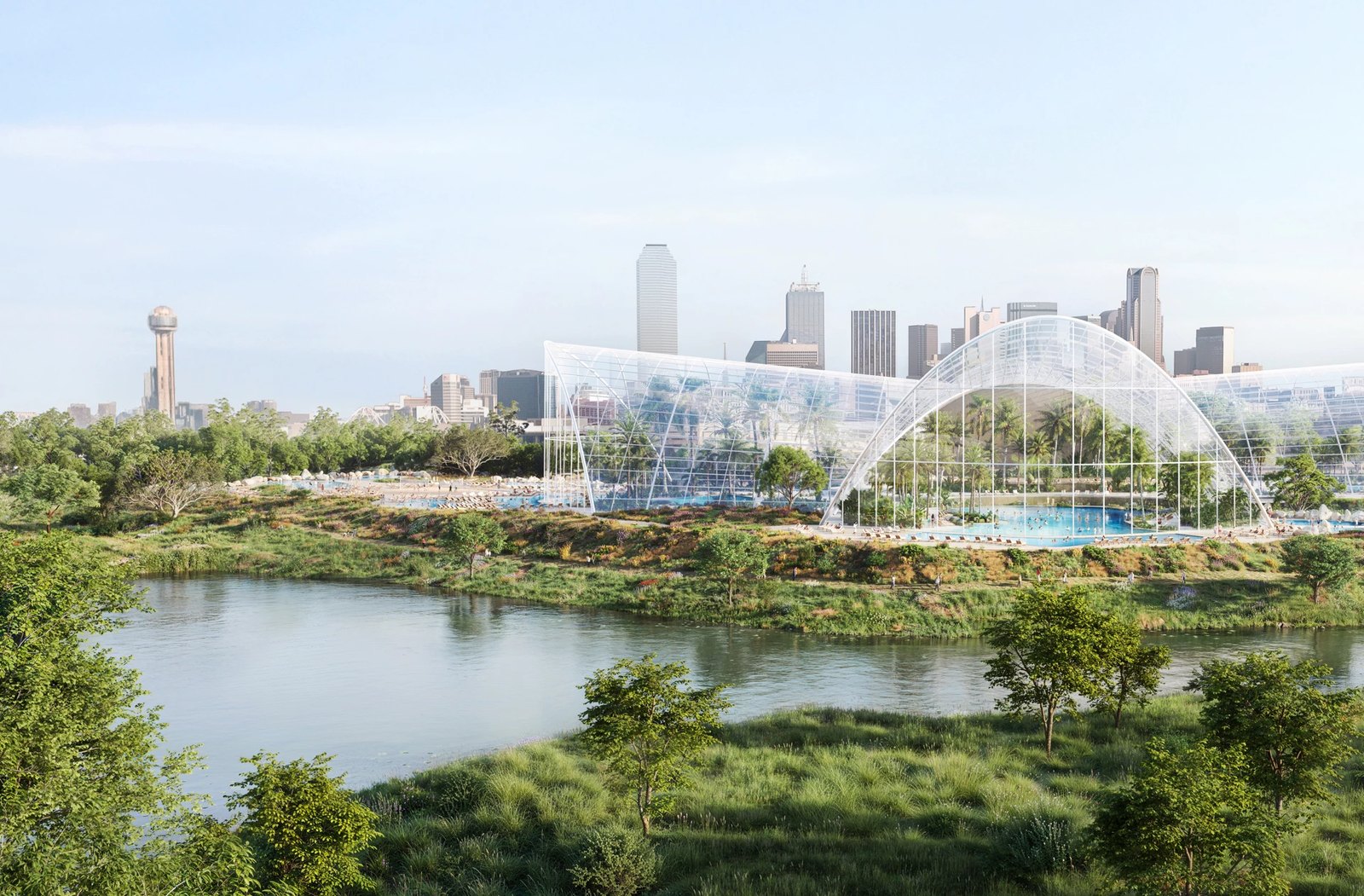
One detail is worth holding onto, though, because it is the kind of thing that decides whether a collaboration stays theoretical. Marriott’s Design Lab is in Bethesda. Poplar Point is about ten miles away, across the District. Therme’s US flagship and the room where Marriott prototypes its hotels will be in the same metropolitan area, which means the design team can walk a finished building instead of reading a deck about one. Proximity is not a strategy, but it is the difference between a quarterly call and a Tuesday site visit.
The demand-side read for a US operator
Two hundred ninety-five million Bonvoy members is one of the largest loyalty databases in travel, and Therme is a mass-market ticket by American thermal standards. Toronto has said admission will start around CA$40, roughly US$29. American social sauna currently runs from a $58 session to a $205 bath, and every operator in that range has spent the last three years teaching a market what a session is worth.
A 351,000 square foot facility at $29 a head, marketed to 295 million people who already have a reason to open the app, resets that anchor for a first-time visitor. Not this year, and not in most cities ever, because Therme builds six-figure-square-foot destinations in a handful of metros rather than storefronts in fifty. Dallas, Washington and Toronto operators should be reading the site plans. Everyone else should be reading the other half of this.
Because the nearer competitor is not Therme. It is the hotel four blocks away. If the Design Lab work lands, the amenity that improves is the one a few hundred thousand travelers already have keycard access to, at no marginal cost, on a floor they walk past every morning. A genuinely good hotel sauna is the most under-priced competitor a paid bathhouse has, and it has been safe to ignore only because hotel saunas have been bad. That assumption now has an expiration date on it, even if nobody can say what the date is.
Why It Matters
The sauna trade has spent a decade trying to reach the American consumer through showrooms, franchises and Instagram. Marriott reaches 295 million of them by email. If a bathhouse operator’s engineering makes it into a Marriott brand standard, the sauna category acquires a distribution channel it has never had, and it acquires it through a document rather than a sales team. The same logic works in reverse: whichever heater, control and ventilation vendors are in the room when that specification is drafted will be in thousands of buildings, and the ones that are not will spend the next decade explaining why their product is equivalent. Nothing announced on August 13 guarantees any of it. Everything announced on August 13 puts the meeting on the calendar. We have watched luxury hotel brands bet on thermal bathing suites one flagship at a time. This is the first time the conversation has started at the scale of a standard.
The Bottom Line
If you sell equipment, understand that your buyer is not Marriott. It is 7,939 franchise owners on renovation schedules, and a brand standards team that will cite a certification rather than a brand name. That makes the UL 60335-2-53 listing you have been putting off the difference between being specifiable and being explained away, and it makes documented commercial duty-cycle data worth more than another showroom. If you operate, this is a 2029 story on the demand side and a 2027 story on the amenity side, so the question to ask your local hotels this quarter is a simple one: what is in your next property improvement plan, and is anyone in it who has ever run a hot room? If the answer is no, that is still your opening. It will not be permanent.
Correction, September 25, 2026: an earlier version of this article described Therme’s projects as seven-figure-square-foot destinations. The projects cited here run from about 351,000 to 720,000 square feet, and Therme describes Dallas as spanning hundreds of thousands of square feet: six figures, not seven.