Cold Plunges Are Becoming the Sauna Industry’s Next Code Fight

By Arlene Scott
Correspondent, Research and Industry
- Published
- Reading time
- 8 min
SaunaNews is published by SaunaShare, Inc., which also runs SaunaShare.com and SaunaMarketplace.com, where we sell many of the products we write about. That experience may change what we write about and what we don't. Who owns SaunaNews
As contrast-therapy studios scale, US states are drawing very different regulatory lines between single-user recovery tubs and public multi-user plunge pools.
In this story7 sections
- 01Classification decides permits, design and staffing
- 02California: a two-track model is emerging
- 03Utah: volume and occupancy drive the split
- 04Illinois: operations checklist written into statute
- 05Washington: full spa-pool treatment under existing rules
- 06Cold water changes the safety and chemistry
- 07Design for the strictest likely jurisdiction
A 50-degree cold plunge can look like three different things at once: a bathtub to a customer, a recovery amenity to a sauna operator, and a public pool to a health department.
Across the US, states are starting to write different rules for the same experience. Some jurisdictions treat cold water as a version of a spa pool. Others carve out special categories for single-user tubs. And some are adding detailed operating checklists directly into law. For operators, the answer shapes design, staffing, and growth.
Classification decides permits, design and staffing
Cold plunge sales have moved faster than most codebooks. What used to be an add-on outside a sauna is now a core revenue feature in private contrast suites, social bathhouses, recovery clubs, and hospitality programs.
Regulators are now deciding what kind of facility a cold plunge is.
The answer can change almost everything about a project, including:
- plan review and permitting scope,
- construction standards,
- filtration and disinfection requirements,
- water testing and recordkeeping,
- staffing and training obligations,
- warning signage, timers, and use limits.
When a cold plunge lands in a gray zone, operators can also face something harder to model: variable local interpretation.
California: a two-track model is emerging
California Assembly Bill 2330 has become one of the clearest examples of the split. As of April 20, 2026, the bill was active in the Assembly Appropriations Committee after passing the Assembly Health Committee 16-0.
The amended framework distinguishes between two categories:
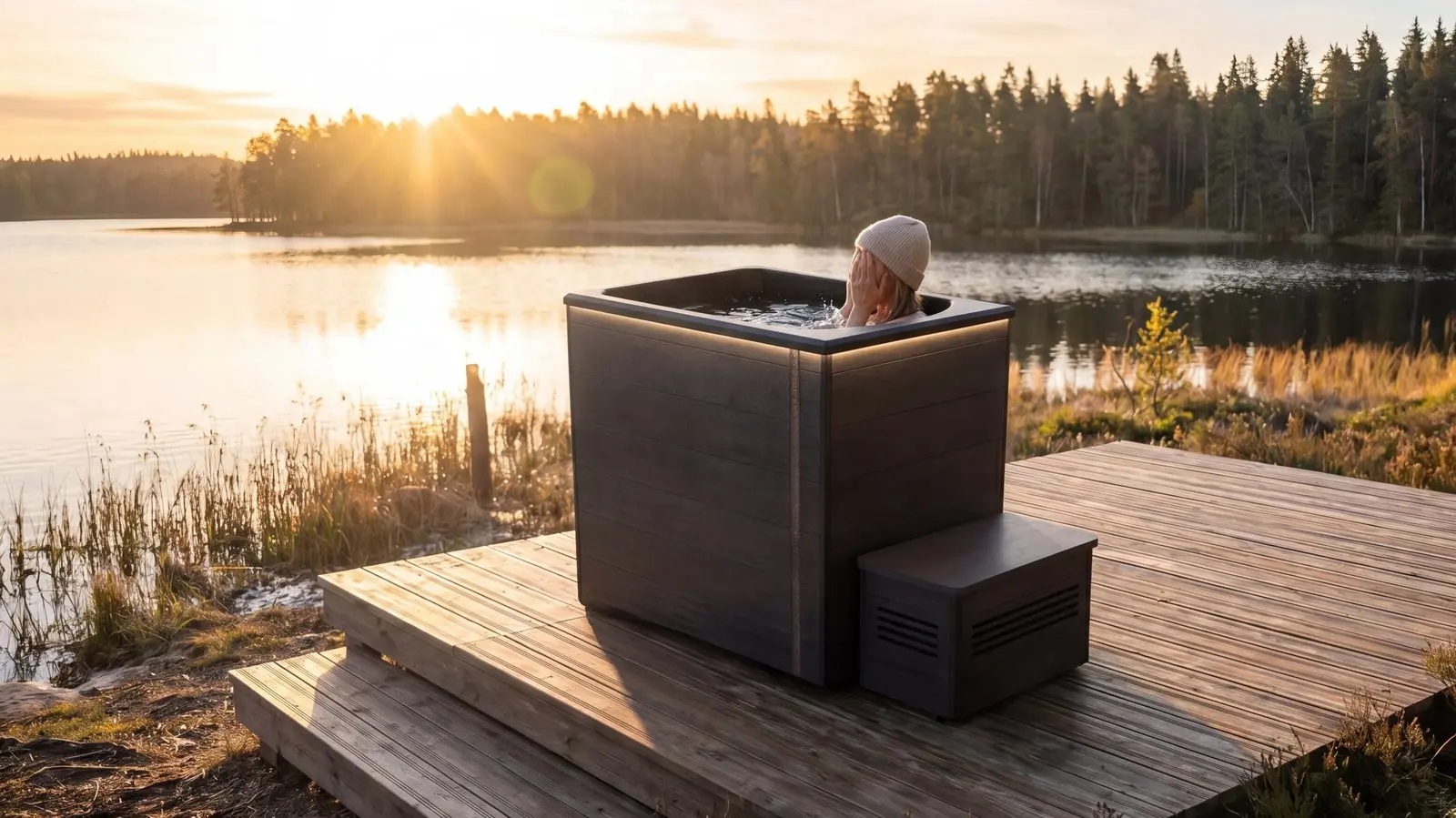
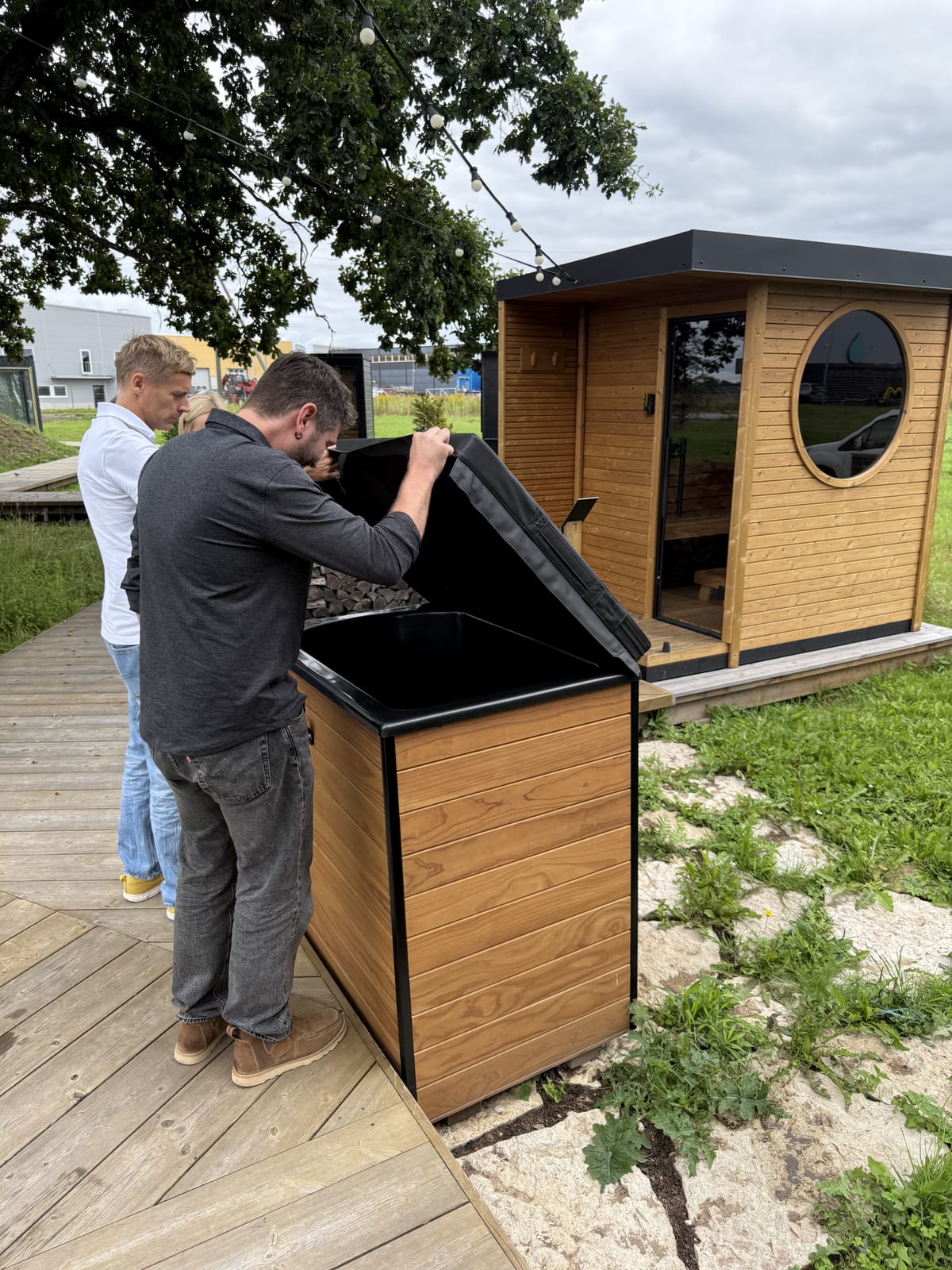
- Cold plunge tub: aboveground, individual-use therapeutic tub maintained at 35 to 60°F with mechanical chilling, recirculation, automatic disinfection, and daily drain-and-fill. Under the bill language, these tubs would not be classified as public swimming pools.
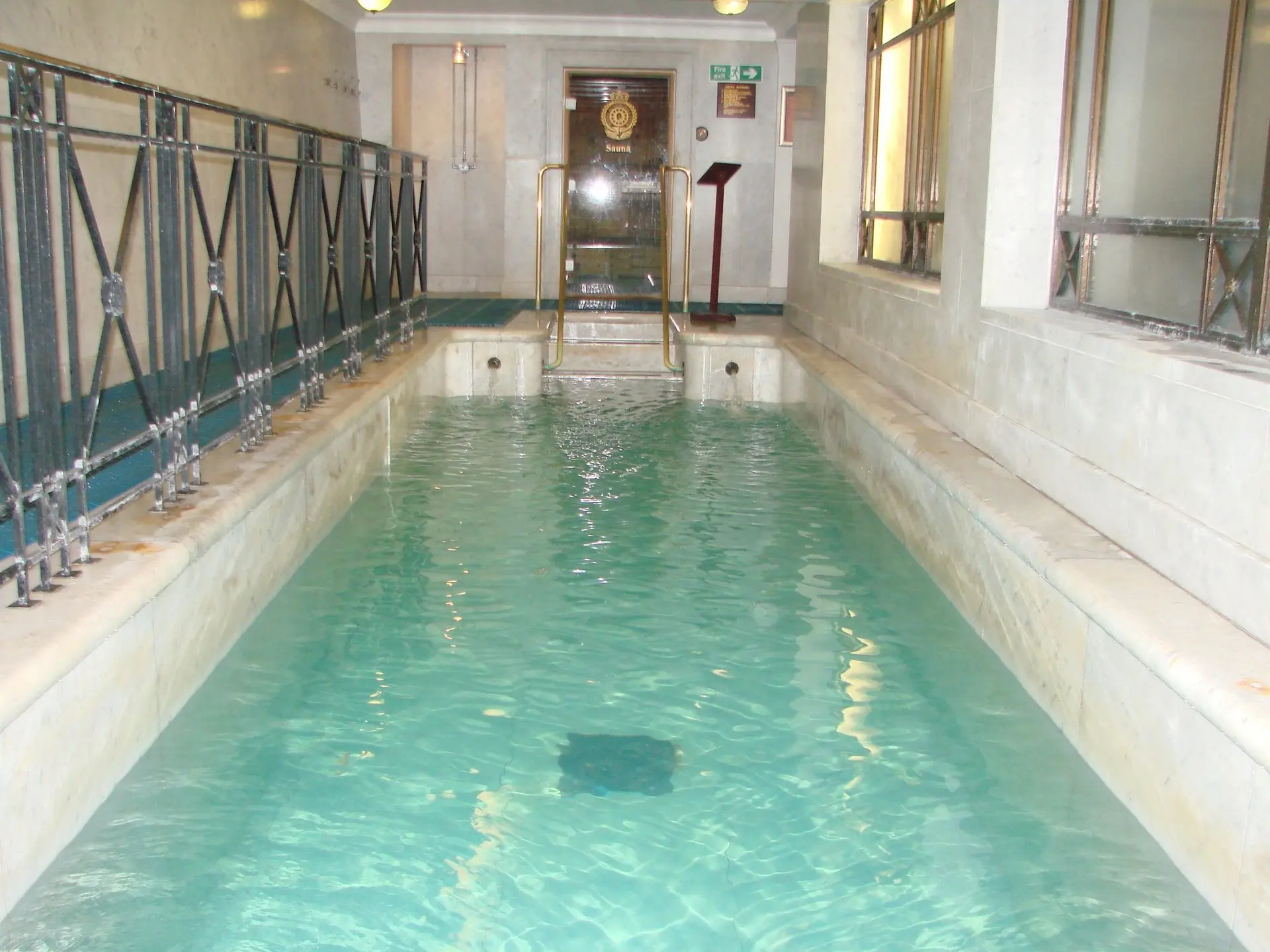
- Cold spa: in-ground, multi-user public immersion pool at 35 to 60°F, regulated under applicable public spa-pool standards, with cooling in place of heating requirements.
For California operators, that means early design decisions (aboveground vs. in-ground and single-user vs. multi-user) can determine whether a project is regulated like a therapeutic amenity or a public aquatic facility.
Utah: volume and occupancy drive the split
Utah already defines a public cold bath as a single-bather tub or tank below 60°F, not more than 180 gallons, with enough depth for seated head-above-water immersion and continuous filtration/sanitation. The same statutory section states the health department may not impose additional operational restrictions on public cold baths.
But for larger installations, Utah is moving differently. A March 15, 2026 Utah State Bulletin filing describes a public cold plunge pool as more than 180 gallons with multiple concurrent users, and keeps those facilities in a spa-pool-style regulatory framework with cold-specific signage and controls.
The proposed language includes plan-review consultation, visible temperature display, cooling-system requirements, cautionary language, and a 15-minute maximum on cold exposure. It also reflects active industry pushback by proposing removal of an onsite-attendant requirement while keeping the broader compliance structure in place.
Illinois: operations checklist written into statute
Illinois Public Act 104-0269, signed in August 2025 and effective January 1, 2026, amends the Swimming Facility Act with explicit cold-spa provisions.
The law defines cold water as 40 to 60°F and requires operators to implement concrete safeguards, including warning signage, pre-use staff notification, posted duration guidance, age restrictions (no children under 14), trained staff availability, first-aid/CPR competency, slip-resistant entry/exit areas, visible timing devices, and either continuous treatment or drain-and-sanitize turnover between uses.
Washington: full spa-pool treatment under existing rules
Washington State Department of Health guidance treats commercial cold plunges as spa pools under existing recreational-water rules. That means full compliance expectations for design, equipment, operation, and documentation.
Washington guidance has also been unusually direct about product-market friction: as of September 2024, the department said it was not aware of any self-contained cold plunge tubs that met all state requirements.
For operators buying “commercial” plunge products off the shelf, the label is not the same thing as code compliance.
Cold water changes the safety and chemistry
Cold-water immersion carries a different risk profile than hot-water bathing.
Public-health guidance highlights the cold shock response: abrupt breathing, heart-rate, and blood-pressure changes that can increase drowning risk if a user involuntarily gasps while submerged. It also notes rapid declines in muscular control and coordination that can impair safe exit from the water.
Cold water also complicates chemistry management. Most poolside test kits do not give accurate results at low temperatures, and the Council for the Model Aquatic Health Code’s cold-water venue guidance says operators should use kits designed for low temperatures or warm the water sample before testing.
Cold water can look clean under a commercial bather load. Clear water is not a substitute for validated sanitation and testing.
Design for the strictest likely jurisdiction
The same customer experience can trigger very different legal obligations based on construction type, volume, user count, and jurisdiction. A one-person aboveground tub in a private suite may be treated very differently from a multi-user in-ground plunge in a social bathhouse.
For multi-state operators:
- design for the strictest likely jurisdiction early,
- validate classification assumptions before ordering equipment,
- budget for engineered recirculation/disinfection and operational controls,
- align staff training and emergency protocols with cold-specific risk.