Kadrina Sauna Club 25th Anniversary Sauna Party
This event returns on a future date. Explore the latest program, venues, and partners below.
Kadrina’s village bathhouse has operated since 1957 and welcomes roughly 25,000 visits a year. Its volunteer sauna club marks 25 years in 2026.
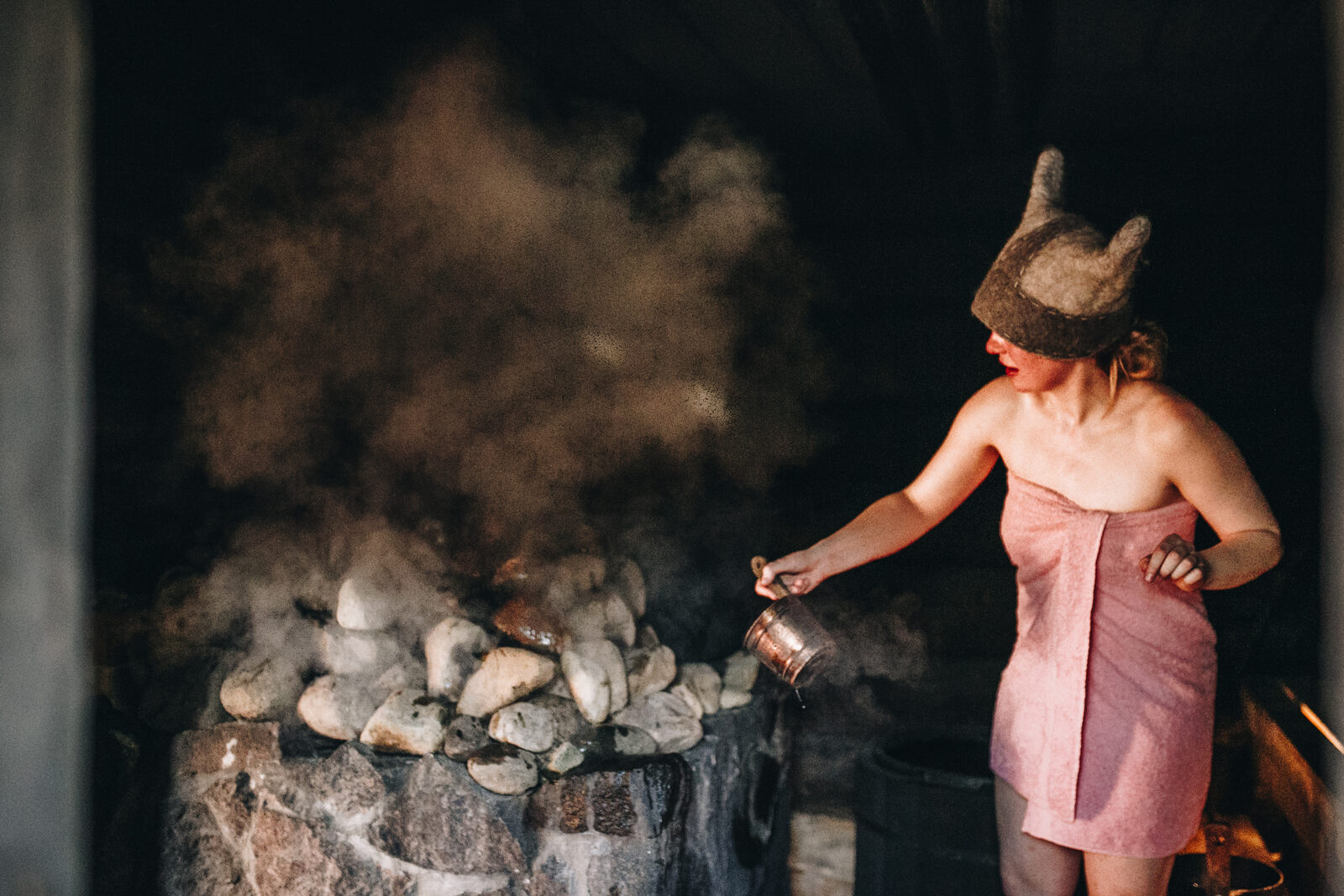
Löyly in an Estonian sauna. Photo: Estoniansaunas / Wikimedia Commons (CC BY-SA 4.0). Not a photograph of the event. Event website
On Sunday 30 August 2026, Kadrina Saunaklubi marks its 25th anniversary with a saunarahvapidu, a sauna party, at the sauna it exists to protect.
The Building Is the Story
Kadrina saun opened in 1957 and has operated continuously since. It welcomes roughly 25,000 visits a year and opens Sundays, women from 2 to 6 p.m. and men from 7 to 11 p.m., at Sauna 5 in Kadrina, about an hour east of Tallinn.
Kadrina Saunaklubi formed in 2001 to support the sauna’s continued operation and marks its 25th anniversary in 2026.
How the Sauna Stays Open
The sauna welcomes roughly 25,000 visits a year across two Sunday shifts. The anniversary celebrates both the bathhouse and the community that keeps it active.
The building and the club have separate histories: the sauna opened in 1957, while the volunteer association formed decades later to support its continued operation. That division between a public facility and a community organization is central to the Kadrina story.
Organizer and partners
Organizer: Kadrina Saunaklubi