
Earth Lagoon adds three changing-room approaches to its Icelandic spa

By SaunaShare
Sauna culture and community
- Published
- Reading time
- 3 min
SaunaNews is published by SaunaShare, Inc., which also runs SaunaShare.com and SaunaMarketplace.com, where we sell many of the products we write about. Assume that experience shapes what we cover and what we don't. Who owns SaunaNews · The ownership announcement
Basalt’s completed Mývatn expansion combines communal, private and VIP changing, with lessons for privacy and independent access.
In this story4 sections
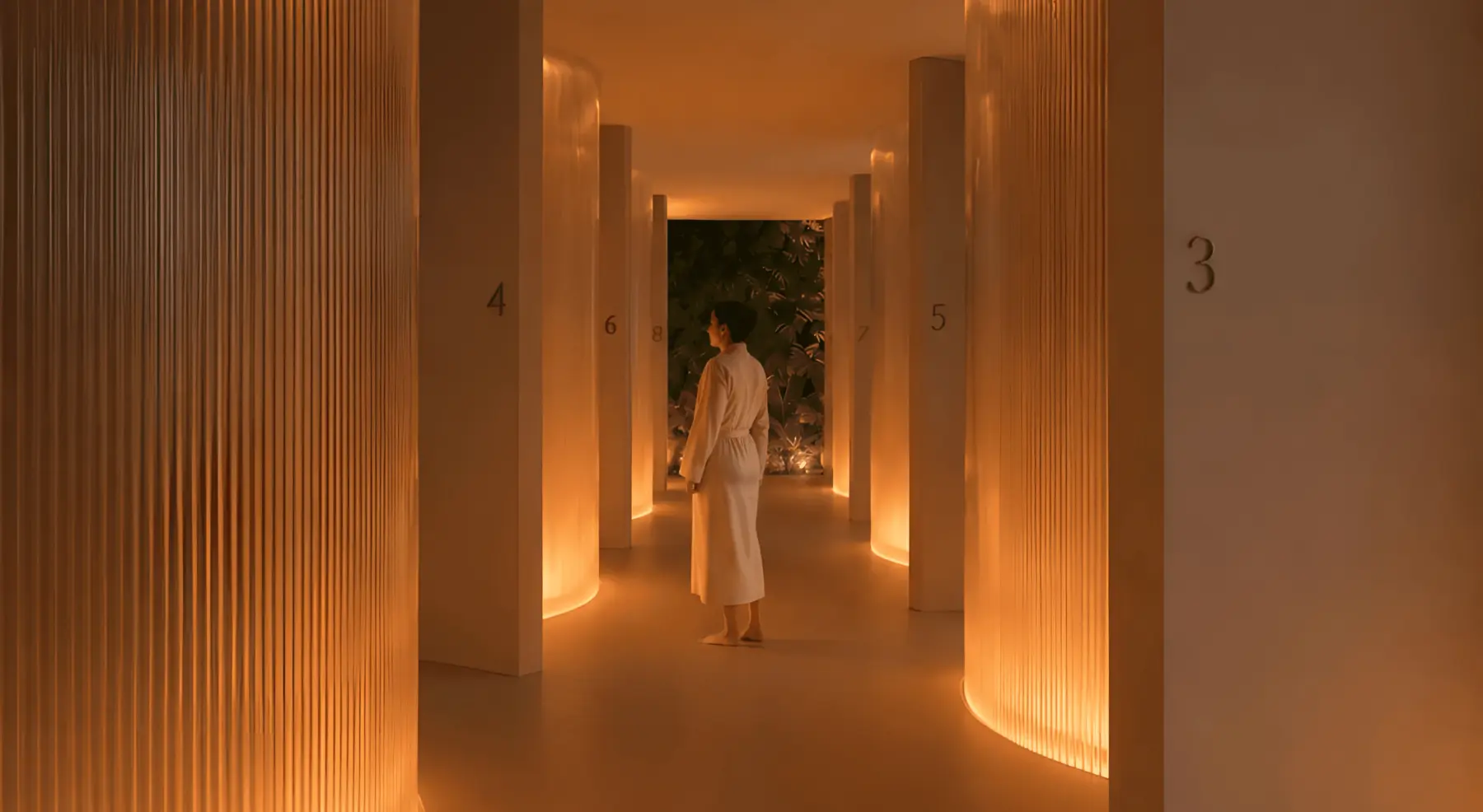
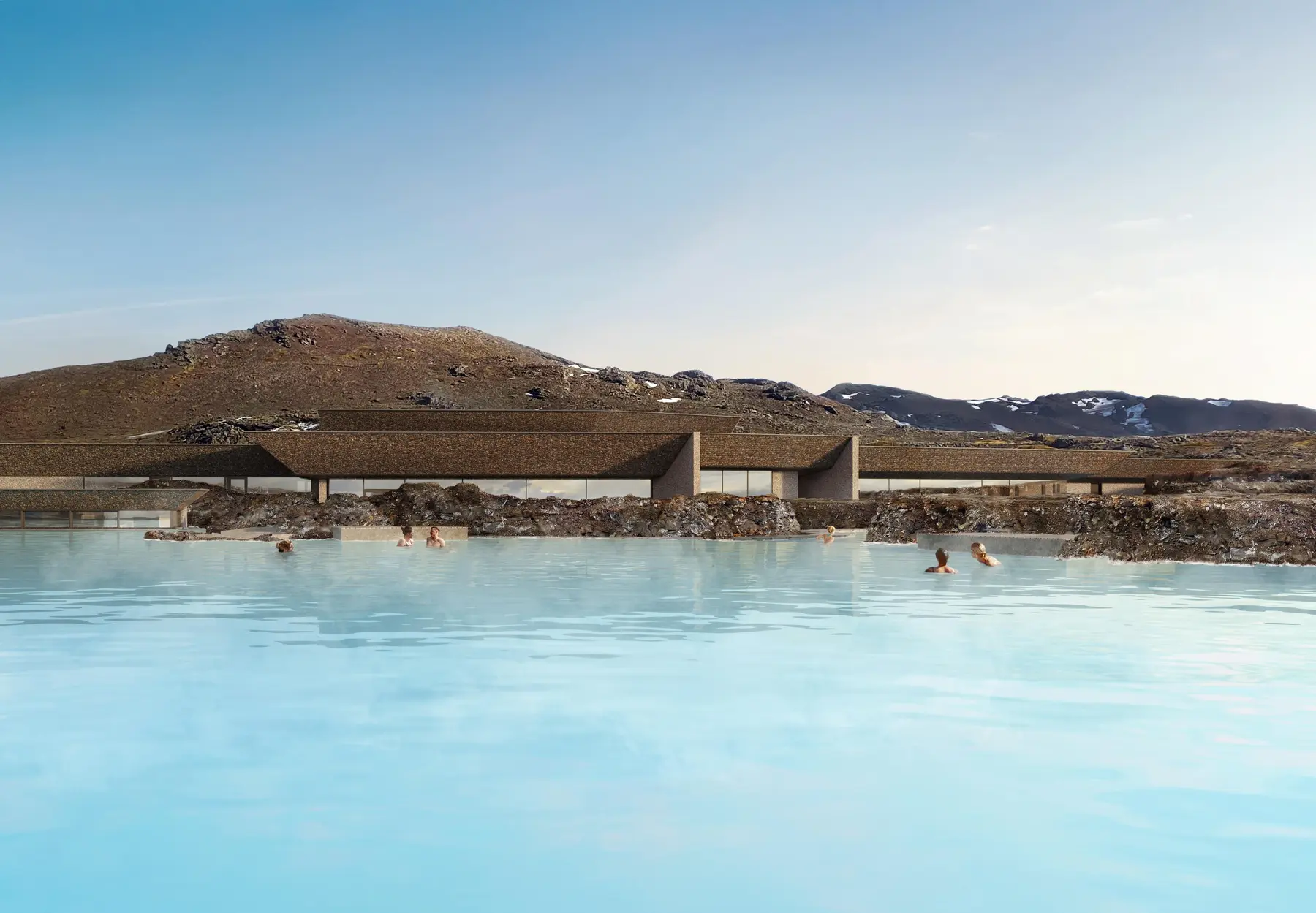
Earth Lagoon Mývatn opened its expanded geothermal spa in northern Iceland in July 2026 with three different changing-room arrangements. The Basalt Architects project provides communal showers and changing, a more private main changing area, and a VIP zone with fully private facilities. Together, the changing zones accommodate up to 600 people, according to the architect’s project description.
The completed facility supplies a concrete example of a design question raised at the International Sauna Congress: how can a bathing place preserve local communal habits while welcoming people with different expectations of privacy and access?
Three ways to prepare for the same water
Basalt partners Perla Dís Kristinsdóttir and Hrólfur Karl Cela discussed a newly completed northern Iceland project with Lisa Starr on StarrCast. They described a traditional open changing environment, a space with enclosed changing and showers, and fully private changing rooms. The project’s published details identify these same three approaches at Earth Lagoon.
The open option was conceived as a relatively rough, outdoor Icelandic experience. The architects said it became more desirable than expected, including among travelers interested in an authentic local setting. That is a useful distinction: privacy preferences cannot be inferred solely from whether someone is a resident or a tourist.
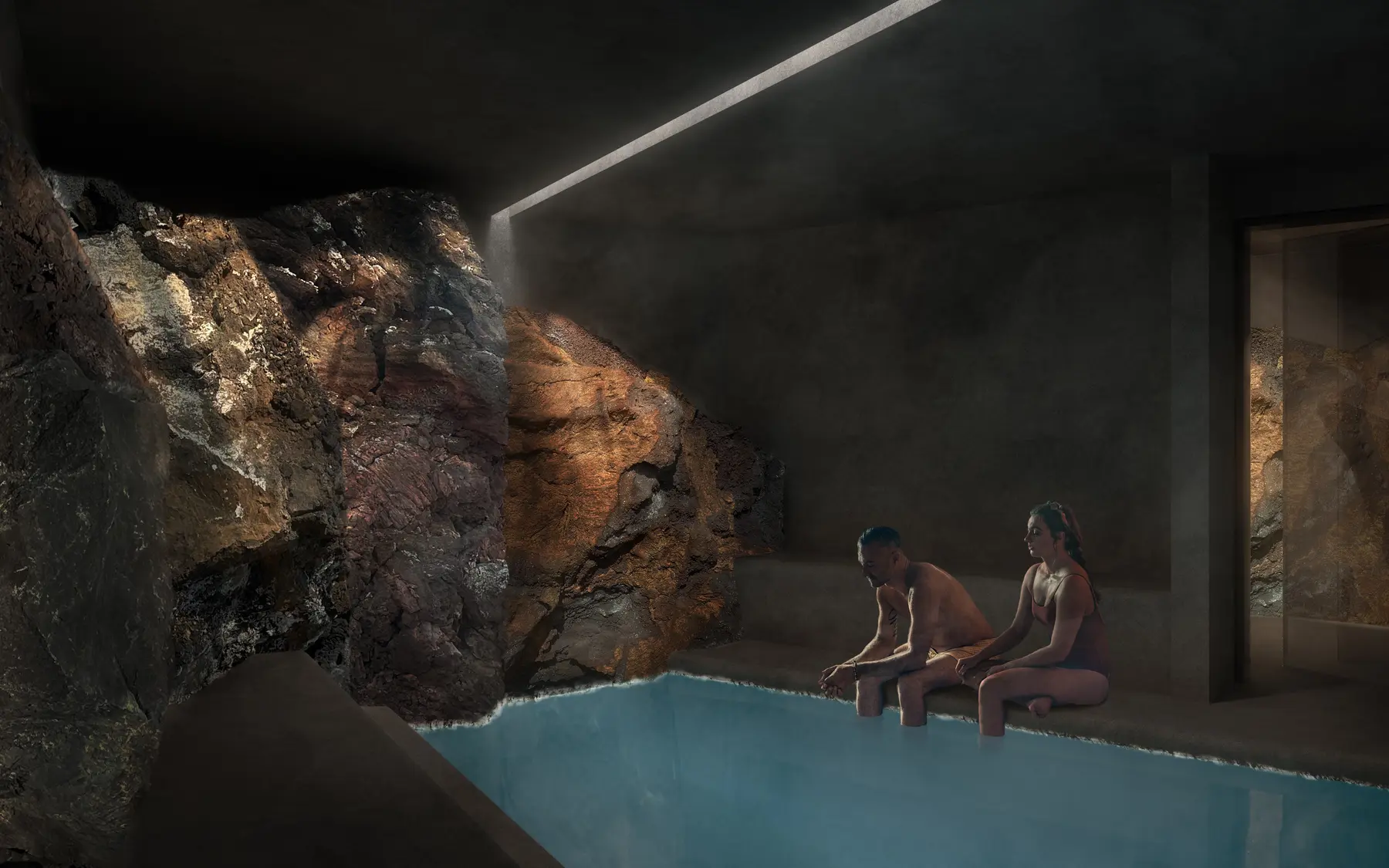
In traditional Icelandic municipal pools, guests shower without swimwear before entering the pool in a swimsuit. The architects explained that more visitors from other bathing cultures have increased demand for enclosed showers and private changing. Providing several routes allows a facility to keep a communal option while serving that demand.
The landscape extends through the building
Earth Lagoon’s July expansion includes geothermal lagoons, steam baths and a new arrival building with a restaurant and retail. The architects organize the visitor route around the lava landscape. A lava channel roughly 344 feet long, found during construction, was preserved as part of the project. Steam rooms use steam emerging from the ground.
That connection to place is central to Basalt’s approach. In the podcast, the partners described arrival as a sequence that can begin on the road, continue through the entrance and changing area, and culminate in immersion. Decisions about phones and clothing affect that sequence because each carries part of everyday life into the bathing space.
The same practice is designing Midjourney Medical’s planned San Francisco spa. That project adds private water-based scanning rooms to a bathhouse, creating another set of transitions between shared bathing and individual activity.
Accessibility includes independent use
Kristinsdóttir described bathers with disabilities who prefer to move through a facility on their own terms, rather than be directed automatically into a special changing room or a conspicuous lift. The architects said that feedback affects how they approach pool access. They did not present the Earth Lagoon project as proof that every part of every facility meets every visitor’s needs.
An existing sauna example is Trosten in Oslo. Its movable lower bench creates space for two wheelchairs in the same sauna used by other bathers. Automatic doors and handrails support the route. Trosten is designed by Estudio Herreros and operated by Oslo Sauna Association; it is a separate project, not a Basalt building.
The Well near Oslo takes another approach, with accessible hotel rooms and a pool lift that wheelchair users are asked to arrange in advance. These details tell a visitor more than a generic accessibility label.
Pool culture and commercial bathing are related, distinct settings
UNESCO inscribed Iceland’s swimming-pool culture in 2025. The recognition concerns the community practice around pools, not a blanket designation of commercial lagoons or their architecture. Basalt’s partners emphasized the public pools’ everyday social role when discussing well-being at the Congress.
For travel operators, our Howl at the Moon Iceland itinerary report covers another way visitors encounter these traditions. For thermal operators, the practical design questions are specific: which changing choices exist, whether a guest can follow the route independently, and what assistance must be booked ahead.