
Harvia Acquires Italian Timer Switch Maker Phoenix El-Mec to Secure Supply Chain

By Arlene Scott
Correspondent, Research and Industry
- Published
- Reading time
- 4 min
SaunaNews is published by SaunaShare, Inc., which also runs SaunaShare.com and SaunaMarketplace.com, where we sell many of the products we write about. That experience may change what we write about and what we don't. Who owns SaunaNews · The ownership announcement
In September 2023, Harvia bolted on Phoenix El-Mec srl, its long-time supplier of electromechanical timer switches in Belluno, Italy. The small deal secures a single-source critical heater component and adds Italy to Harvia’s European production network.
In this story3 sections
Harvia Plc signed and closed an agreement in September 2023 to acquire 100% of Phoenix El-Mec srl, an electromechanical timer switch manufacturer based in Belluno, in the Italian Alps north of Venice. Deal terms were not disclosed. The acquisition, described by management as a tactical rather than strategic M&A, was framed by Harvia as an investment in supply chain resilience: Phoenix El-Mec, a long-time supplier, makes a key component in Harvia’s basic sauna heaters. (See all Harvia M&A activity in our Harvia News hub.)
What Phoenix El-Mec makes
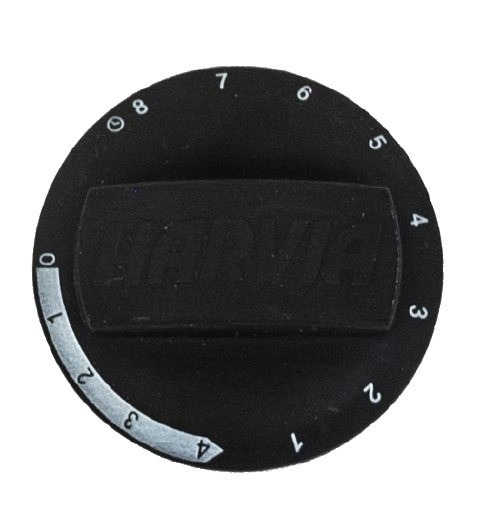
Phoenix El-Mec produces electromechanical timer switches that are a key component in Harvia’s basic (entry-level) sauna heater lines. The timer switch is the analog knob-plus-timer that sets heater run time on older model sauna heaters (as distinct from digital control units like the Harvia Xenio or Harvia Fenix). The company also supplies timers to other industries including ovens, drying cabinets, and boiler manufacturers.
Phoenix had been Harvia’s timer switch supplier since its establishment in 2013, a ten-year commercial relationship. The acquisition turned that supplier relationship into ownership.
A tactical deal, in Harvia’s own framework
Harvia described the acquisition at its Capital Markets Day 2024 as an example of a tactical M&A transaction, as opposed to the strategic M&A transactions like ThermaSol, EOS, and Almost Heaven. In that framework, strategic acquisitions expand the product portfolio or geographic reach; tactical acquisitions secure or de-risk the existing supply chain. Both are part of the toolkit but should be sized and valued differently.
Harvia framed the deal as supply-chain resilience: owning the maker of a key component in its basic heaters would help ensure its availability. The acquisition also gave Harvia access to the supplier’s other customer relationships (ovens, boilers, drying cabinets), which can generate incremental non-sauna revenue at low marginal cost.
Italy joins the production footprint
Phoenix El-Mec continues to operate from Belluno, adding Italy to Harvia’s production footprint alongside Finland (Muurame, Sastamala), Romania (Gheorgheni), and Germany (Driedorf, via EOS). The company is a small fraction of Harvia Group revenue and headcount but is critical path for a product category that still represents meaningful volume across Harvia’s entry-tier electric heater lines globally.
Harvia events
1 event