Finnish Lumber Prices Hit 18-Month High Amid Export Demand and Forest Policy Shifts
Rising timber costs are squeezing sauna manufacturers' margins and could accelerate the shift to alternative materials.

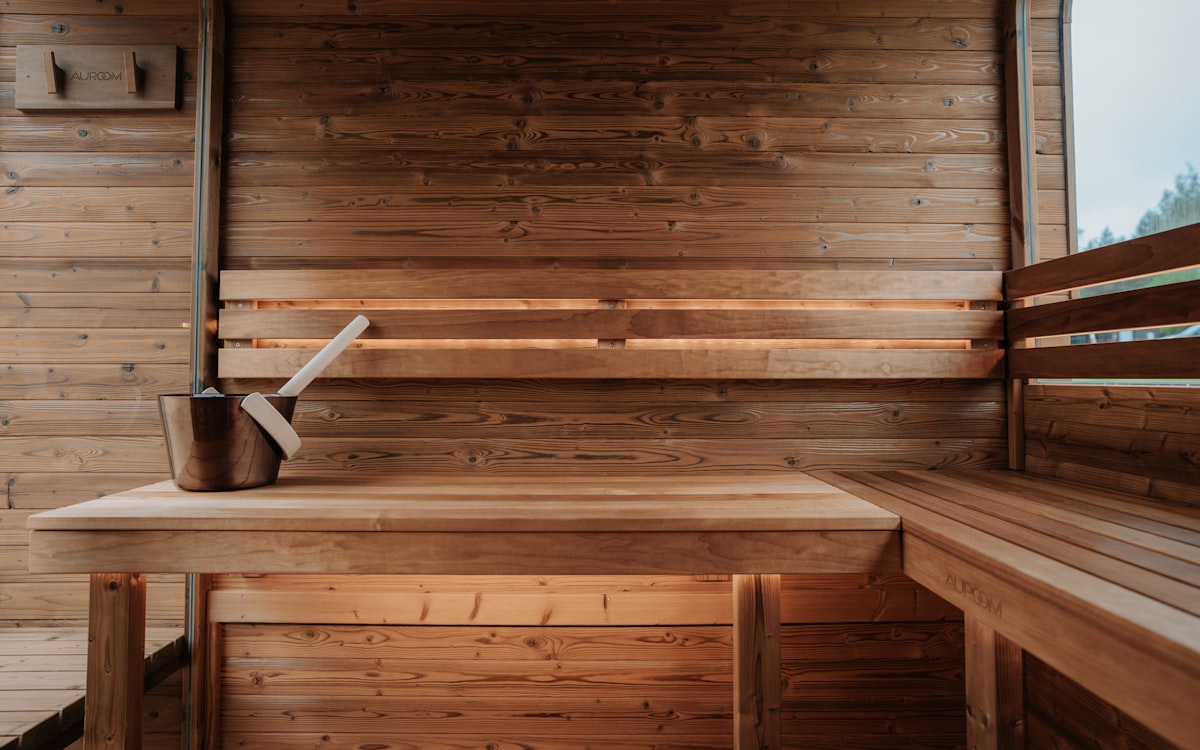
Nordic softwood lumber prices have been under upward pressure heading into 2026. Finnish spruce sawfalling has held in the range of roughly $0.78-0.83 per board foot (about EUR 233-248 per cubic yard at source), and while month-to-month changes have been modest, the broader trend over the past 18 months has been steadily higher. The drivers are familiar: strong Asian export demand, sustainability-driven constraints under Finland's revised National Forest Strategy 2035 (adopted in October 2023), and growing competition from the construction and bioenergy sectors for available timber supply.
Impact on Sauna Manufacturing
For sauna manufacturers, lumber represents 25-40% of total material costs depending on product type. The cost pressure is particularly real for companies producing traditional Finnish-style saunas that rely on Nordic spruce, pine, and aspen.
Several manufacturers have announced price increases on select product lines, citing raw material costs. Others are absorbing the increases in the short term while evaluating alternative sourcing strategies.
We're watching these prices very closely. At some point, the cost pressure will force a rethink of materials strategy across the industry.
Alternative Materials Gaining Traction
The lumber cost environment is accelerating interest in alternative materials for sauna construction. Thermally modified wood from producers like Thermory offers an alternative to raw Nordic softwoods, with better dimensional stability and moisture resistance. North American basswood and engineered wood products are also seeing increased specification from manufacturers looking to diversify their material base. At the accessory end of the value chain, legacy Finnish makers like Hukka Design show how non-timber materials such as soapstone can also reduce dependence on volatile lumber inputs for selected sauna products.
Outlook
Market analysts at Fastmarkets and Global Wood Markets Info characterize the Nordic softwood market as stable but not in rebound, with prices unlikely to fall meaningfully while demand from Asia and the bioenergy sector remains strong. For sauna manufacturers, this means continued margin pressure and a stronger incentive to diversify sourcing.
Arlene Scott
Senior Wellness Correspondent & Hospitality Consultant
Arlene Scott brings over fifteen years of reporting and consulting experience across energy infrastructure, sustainable design, and thermotherapy-focused hospitality.
Full byline
Arlene Scott is a Senior Wellness Correspondent for SaunaNews.com, bringing over fifteen years of experience at the intersection of energy infrastructure, sustainable design, and thermotherapy. Her work focuses on the physiological benefits of passive heat therapies and the sustainable integration of sauna culture into modern wellness routines.
Arlene's background is rooted in the clean energy transition. She was a founding writer at MicrogridMedia.com, where she covered the technical and economic viability of desalination projects, microgrid deployments, and distributed renewable energy systems. During the mid-2010s, she was a regular contributor to Greentech Media (GTM) during its independent era — prior to the Wood Mackenzie acquisition in 2016 — reporting on the early integration of thermal energy storage and sustainable infrastructure.
Transitioning her focus from macro-energy systems to human-scale wellness, Arlene now applies her technical background to the hospitality sector. She operates as an independent consultant, advising boutique hotels and eco-resorts on the design, energy efficiency, and historical authenticity of commercial sauna and thermal spa installations. Her consulting work ensures that high-end wellness facilities balance traditional Nordic bathing principles with modern sustainable engineering.
Arlene holds a specialized certification in Applied Thermic Wellness from the Nordic Institute of Passive Heat Studies (NIPHS) and is a recognized associate member of the International Sauna Association (ISA). When she isn't reviewing the latest innovations in infrared technology or consulting on a new resort project, Arlene can be found tending to her own traditional wood-fired sauna in the Pacific Northwest. You can read her complete archive of essays on energy, wellness, and sustainable living at www.arlenescott.com.